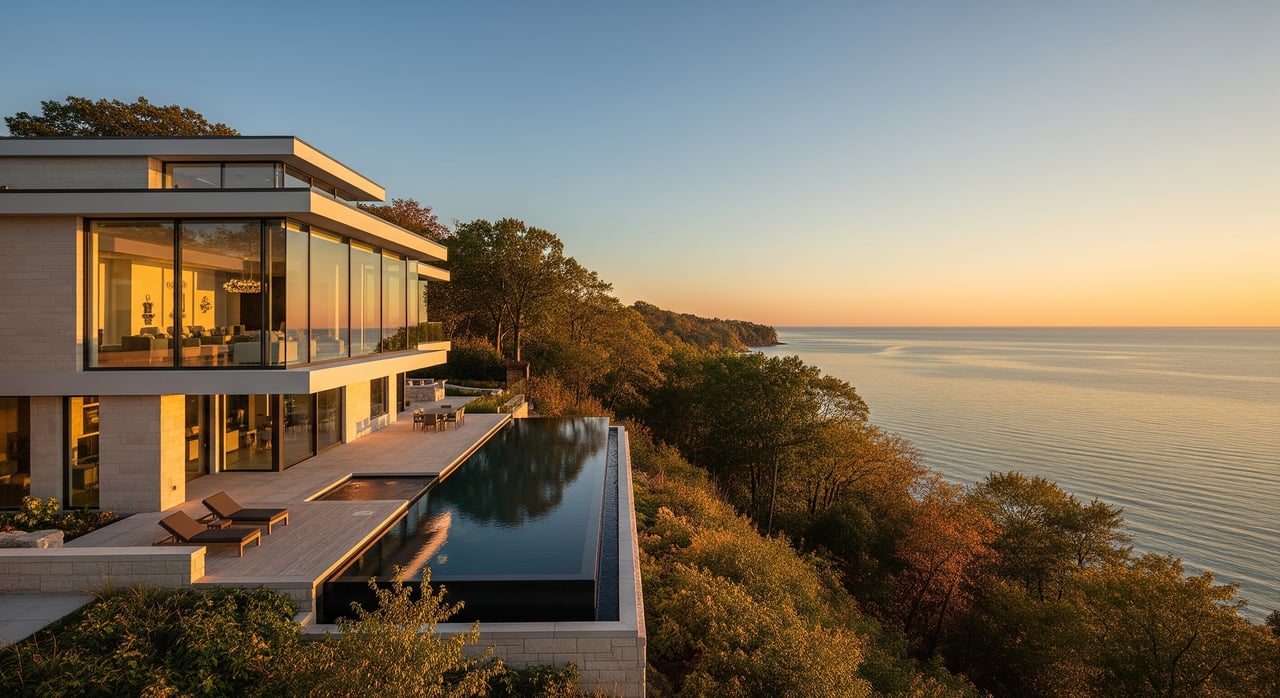
Standing on the edge of the Scarborough Bluffs, it is easy to fall in love with the view or the feeling of quiet under a canopy of trees. If you are upsizing in Scarborough Village, the big question is simple: would you rather wake up to panoramic lake views or enjoy the privacy of a ravine backyard? Both options are special, and both ask for a bit more planning. In this guide, you will learn the lifestyle tradeoffs, risks, permits, and resale factors that matter most so you can move forward with confidence. Let’s dive in.
The Bluffs setting, at a glance
Scarborough Village sits beside the Scarborough Bluffs, a striking clay and sand bluff system along Lake Ontario. Homes here can be waterfront adjacent with bluff-top or near-bluff vantage points, or they can back onto protected ravines with mature trees and natural corridors. Parks, lookout points, and waterfront trails add to the daily lifestyle value for both property types.
The Bluffs are geologically active. Natural processes like erosion, bluff retreat, and slope instability happen over time and can be influenced by storms, wind, and lake level changes. Knowing how these forces work helps you set smart expectations for maintenance, risk, and long-term planning.
Lifestyle: views vs privacy
Waterfront-adjacent living
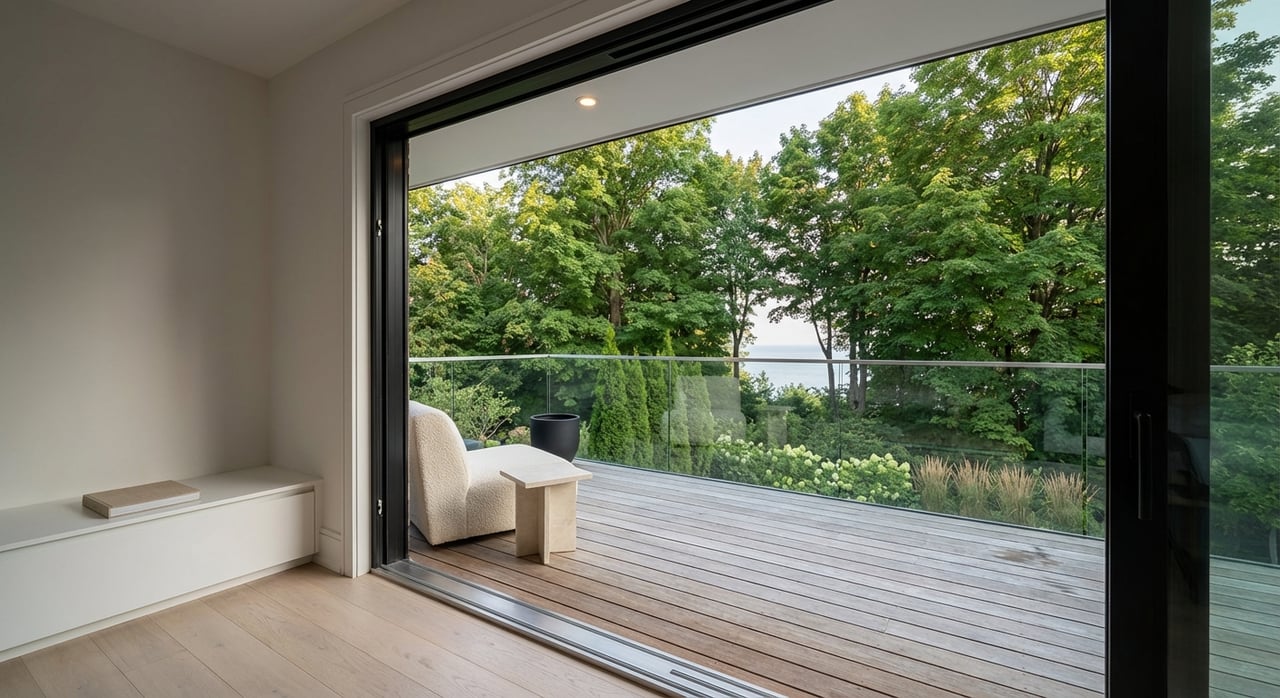
You get sweeping lake views, a strong sense of place, and outdoor spaces designed for the horizon. Many buyers come for the prestige factor and proximity to lakeside parks or trails where access exists. Day to day, expect more wind exposure and a backyard orientation that centers on the view, with the possibility of nearby public activity depending on the site.
Ravine-lot living
You get seclusion, tree canopy, and a quieter backyard experience that feels like a woodland retreat. These lots appeal to privacy seekers and families who want a natural play space. Day to day, expect more shade, a cooler microclimate, and added focus on tree care and yard stewardship.
Quick lifestyle tradeoffs
- Views vs privacy: waterfront usually delivers open water vistas, while ravine lots deliver visual privacy and greenery.
- Outdoor living style: waterfront favors terraces and viewing platforms, while ravine lots shine with shaded patios, screened porches, and private gardens.
- Access vs exclusivity: waterfront adjacency can bring more public interaction where parks and trails are near, while ravine adjacency usually feels more private but can have stricter alteration limits.
Risks, maintenance, and ongoing costs
Waterfront risks and upkeep
Key risks include bluff erosion and slope instability over the long term, plus storm and wave impacts during high-wind or high-water events. Wind and salt spray can accelerate wear on exterior finishes, railings, and decks. Homeowners often monitor bluff edges, invest in permitted erosion control or shore-related works, and tailor landscaping to support slope stability.
Ravine risks and upkeep
Ravine edges can face slope instability during heavy storms, and large trees may shed limbs or fail. Drainage can be a factor for low-lying homes that slope toward ravine corridors, making basement waterproofing and surface water control important. Regular arborist care, invasive species management, and maintaining appropriate buffer strips are common best practices.
Cost and insurance realities
Specialized work near shorelines or ravines can be costly. Shoreline stabilization or structural slope remediation can range from tens of thousands to well over a hundred thousand dollars depending on scope and regulatory needs. Routine upkeep for both property types is often higher than a standard suburban lot because access and expertise are specialized.
Insurance availability and premiums can vary based on location and risk profile. Policies may include higher premiums or exclusions related to overland flooding, sewer backup, or erosion and shoreline exposure. Lenders will follow standard processes, but extreme hazard designations or complex regulatory constraints can affect financing and appraisals.
Permits, regulation, and title essentials
Who regulates what
In Toronto, development, fill, vegetation removal, and structural work near ravines or shorelines typically require approvals from the City of Toronto and the Toronto and Region Conservation Authority. Both protect natural features and regulate work within hazard areas. Permit history and regulatory compliance should be part of your due diligence.
Title and legal items to confirm
Clarify the property boundary in relation to the shoreline or ravine edge, since ownership and rights near water can be complex. Review any easements or public access routes if the lot borders parks or trails. Ask for documentation on prior stabilization or slope works, including permits and maintenance obligations, and check for conservation agreements or restrictive covenants that limit alterations.
Records to request
- Recent stamped survey and legal description
- Municipal permit history and any outstanding orders
- TRCA permit records and any geotechnical or engineering reports
- Documentation for any shoreline or slope stabilization and maintenance agreements
- Records of past insurance claims related to flooding, erosion, or storm damage
- Tree protection orders or conditions
Market and resale realities in the Bluffs
Premiums and liquidity
Scarcity drives value. Waterfront adjacency and bluff-top views typically command noticeable premiums compared with typical nearby homes, while ravine lots also command premiums relative to interior lots. Because these properties are unique, there are fewer true comparable sales, which can affect appraisals and time on market.
What helps marketability
- Waterfront highlights: unobstructed views, condition of bluff and any shore protection, clear and legal access to shoreline or parks where available, and documentation of permitted terraces or exterior amenities.
- Ravine highlights: quality of tree canopy, privacy buffers, usable yard area, well-documented arborist care, and visible separation from public trails.
Strategy for buyers and sellers
Professional reports, permit records, and recent surveys reduce uncertainty and support stronger pricing and smoother negotiations. Sellers who can provide compliant, permitted stabilization work and recent professional assessments often achieve more predictable sale outcomes. Buyers who commission the right experts can use findings to calibrate offers and protect long-term value.
Due diligence checklist for Scarborough Village
- Engage experts: geotechnical or civil engineer for slope and stability, a structural inspector for foundations and waterproofing, an arborist for tree health, and a surveyor to confirm boundaries and setback distances.
- Confirm permits: City and TRCA permit histories, plus any conservation agreements or restrictive covenants.
- Review insurance: consult a broker on coverage options and premiums for overland flood, sewer backup, and shoreline or ravine exposure.
- Ask key questions: distance from the home to the bluff or ravine edge and any observed changes, history of stabilization works and permits, insurance claims, and any outstanding municipal or TRCA orders.
- Watch for red flags: new cracks near the bluff or ravine edge, leaning trees or walls, sudden grade changes, undercutting on slopes, standing water near the foundation, or signs of emergency shoreline repairs.
Which home fits your lifestyle?
Choose a waterfront-adjacent home if daily lake views, a stronger sense of prestige, and outdoor spaces oriented to the horizon top your list. Be ready for more wind exposure and potentially higher capital and maintenance costs over time.
Choose a ravine-lot home if privacy, seclusion, and a leafy microclimate are your priorities. Be prepared for ongoing tree care, careful drainage management, and a compliance mindset for any yard improvements.
Both paths offer something special in Scarborough Village. The right choice comes down to how you weigh view versus privacy, your tolerance for maintenance and regulatory complexity, and your long-term plans for the property.
Ready to compare specific homes, on or off the market, with proper due diligence and a clear pricing strategy? Connect with Nicole Digalakis for a complimentary consultation and a tailored plan that aligns with your goals.
FAQs
What should I know about Bluffs erosion before buying?
- The Scarborough Bluffs are naturally active, with erosion, bluff retreat, and slope instability influenced by storms and lake levels, so factor long-term stability and potential capital works into your decision.
Are there permit rules for work on ravine or shoreline lots?
- Yes, the City of Toronto and TRCA regulate development, fill, vegetation removal, and structural work near ravines and shorelines, so review permit history and consult both authorities before planning changes.
How does home insurance differ for waterfront and ravine properties?
- Insurers may apply higher premiums or exclusions for overland flood, sewer backup, or erosion-related risk depending on the property’s profile, so consult a broker early to understand coverage and cost.
Which inspections are essential for a bluff-top or ravine home?
- Prioritize a geotechnical or civil engineer for slope stability, a structural inspection for foundations and waterproofing, an arborist assessment for tree risk, and a recent survey confirming boundaries and setbacks.
Do waterfront views always mean better resale in Scarborough Village?
- Waterfront adjacency often commands a premium due to scarcity and views, but marketability depends on documented stability, regulatory compliance, and recent comparable sales, not just the view alone.