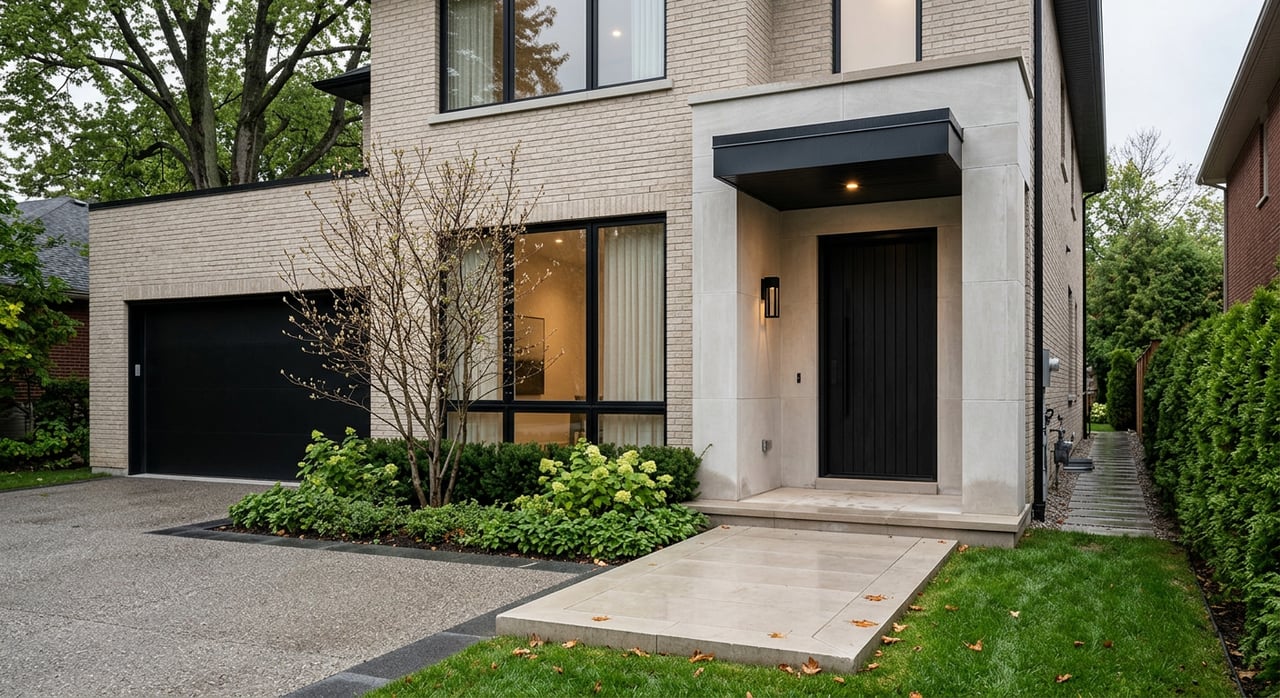
Prefer to sell quietly without open houses, yard signs, or curious neighbours? You are not alone. Many Toronto sellers value privacy as much as price, especially at the luxury level. In this guide, you will learn how off‑market listings work in Toronto, what CREA and RECO rules require, the real pros and trade‑offs, and a step‑by‑step plan to stay discreet without sacrificing leverage. Let’s dive in.
What “off‑market” means in Toronto
Off‑market (or pocket) listings are properties marketed privately, not posted on public MLS feeds. Exposure is limited to curated buyers through direct introductions or internal brokerage channels.
An office‑exclusive listing keeps the home within a brokerage’s network rather than publishing it publicly. This can preserve privacy while still allowing controlled agent‑to‑agent cooperation.
The key dividing line is how outreach happens. CREA defines public marketing as “one‑to‑many” activities like yard signs, social posts, email blasts to broad lists, and public websites. One‑to‑one communications to an individual buyer or agent do not trigger the MLS posting requirement. When a property is publicly marketed, REALTORS must place it on an MLS system within the local board’s timeline, which can be up to three calendar days. See CREA’s summary of the policy for details in Canada’s context at REALTOR Cooperation Policy Does Not Ban “Exclusives”.
CREA and RECO rules you must know
CREA’s policy preserves your choice to sell exclusively, provided you understand and document that choice. If any public marketing occurs, the MLS posting clock starts based on your board’s adopted timeline. The aim is to stop indefinite off‑MLS exposure when a property is marketed broadly while still allowing private, one‑to‑one strategies. Review CREA’s explanation at REALTOR Cooperation Policy Does Not Ban “Exclusives”.
Ontario’s regulator, RECO, sets the standards for confidentiality and advertising. If photos, seller names, or price information will appear online or on social channels, your agent must secure your written consent and follow advertising rules. RECO’s guidance is clear at Bulletin 5.3: Advertising online.
Confidentiality depends on the representation model. Under standard brokerage representation, your confidential information may be accessible to agents within the brokerage. Under designated representation, access is limited to your named designated representative(s) unless you authorize more in writing. This matters if you want a very tight confidentiality ring. See RECO Bulletin 2.5: Confidentiality.
RECO also expects clear, separate disclosures and consents that explain what will be disclosed, to whom, and why. These should be in plain language and kept on file. Learn more at RECO Bulletin 3.1: Disclosures, consents, and acknowledgements.
How discreet campaigns actually run
Curated, one‑to‑one outreach is the heart of a private sale. Your agent introduces the property directly to pre‑qualified buyers, trusted agents, wealth managers, or diplomats. Because this is one‑to‑one, it does not trigger CREA’s public marketing rule. See CREA’s guidance on the one‑to‑one carve‑out at REALTOR Cooperation Policy Does Not Ban “Exclusives”.
Office‑exclusive sharing within a brokerage can widen access to suitable buyers while maintaining control. If you want to narrow the circle further, designated representation can restrict access inside the brokerage to only your named reps. RECO outlines this structure at Bulletin 2.5: Confidentiality.
Private, agent‑only platforms and compliant broker lists also exist to help agents share exclusives without public posts. These tools aim to balance privacy with professional cooperation, as described in a provider announcement about a “Broker List” feature at Listed press release.
Showings are usually invitation‑only. Buyers are vetted, sign NDAs, and show proof of funds or representation before stepping inside. Some sellers test the market privately for a short period, then move to MLS if they do not secure competitive interest. Be careful. Any public marketing during the test period starts the CREA board timeline to post on MLS.
Pros and trade‑offs to expect
Why sellers choose discretion:
- Privacy and safety. No public photos and no open houses.
- Control. You decide who sees your home and when.
- Efficiency. Fewer showings, only with qualified buyers.
- Brand positioning. Exclusivity fits some ultra‑luxury niches.
Trade‑offs to weigh:
- Price pressure can be lower. Large‑sample U.S. research for 2023–2024 found that off‑MLS sales closed for a median of about 1.5% less than comparable MLS sales. This is often cited across the industry as a caution that limited exposure can carry a price. Local Toronto results can differ, but the signal is useful. See the summary at Zillow Research.
- Industry debate on incentives. Some argue private funnels may advantage certain brokerages if sellers are not fully informed. Canada’s policy shift aimed to improve cooperation and transparency. Read coverage at Real Estate Magazine.
- Compliance risk. Failing to document consent or publicly marketing without timely MLS placement can lead to board or regulator scrutiny. RECO audits advertising and consent compliance. See RECO’s ad rules at Bulletin 5.3.
Bottom line: A discreet sale can work well when your agent can deliver multiple qualified buyers quickly, run a tight process, and negotiate hard. The broad competition of MLS often favours a stronger price ceiling, so it pays to approach a private strategy with a clear plan and defined timeline.
A step‑by‑step discreet plan
Use this Toronto‑focused checklist to protect your privacy and leverage.
Put the strategy in writing. Ask for a separate, plain‑language consent that explains the difference between private one‑to‑one marketing and public marketing, and that you understand the trade‑offs. RECO expects disclosures and consents to be clear and separate. See RECO Bulletin 3.1.
Choose representation deliberately. If you want a very small confidentiality circle, discuss designated representation so only your named reps access your file. Learn how this works at RECO Bulletin 2.5.
Define permitted channels. In your listing and consent, list which one‑to‑one routes are allowed (direct calls, emails to specific agents, outreach to pre‑vetted buyers) and which actions would convert the sale to public marketing, such as a website post, social media to followers, or a lawn sign. Review CREA’s one‑to‑one vs one‑to‑many guidance at this policy summary.
Require an audit trail. Ask for a written list of who was contacted, copies of NDAs, proof‑of‑funds checks, and all consents and disclosures. RECO emphasizes keeping strong records. See RECO Bulletin 3.1.
Pre‑screen buyers. Limit showings to verified, qualified prospects who agree to your privacy rules.
Set an exit trigger. Agree on a short private test period, after which the listing moves to MLS if targets are not met. Remember, any public marketing starts the board’s timeline to post. See CREA’s summary at REALTOR Cooperation Policy Does Not Ban “Exclusives”.
Create competitive tension. Ask your agent to run a timed, best‑and‑final process among vetted buyers so you capture some of the competition you would see on MLS.
Use clear consent wording. For example: “I understand that if the property is publicly marketed (one‑to‑many), my listing will be placed on MLS within the timeframe required by my local board. I choose to proceed with an exclusive strategy limited to [list channels], and I consent in writing.”
Is a private sale right for you?
Choose an off‑market path if your priority is privacy, control over access, and a clean selling experience with fewer disruptions. This is common for HNW households, public figures, and anyone who prefers minimal visibility.
Consider a fast shift to MLS if you want maximum exposure and bidding pressure or if private outreach does not surface multiple serious buyers quickly. The strongest outcomes often come from a plan that blends a short private phase with a well‑timed public launch if needed.
Work with a team built for discretion
You deserve a partner who can protect your privacy and still produce a premium result. Digalakis Real Estate is a boutique, family‑rooted brokerage serving Greater Toronto with RE/MAX network strength and a proven luxury marketing stack. For sellers who want to stay out of the spotlight, our exclusive off‑market Private Member list and curated agent networks provide quiet access to qualified buyers.
If you are weighing an exclusive path, let’s build a compliant, data‑driven plan that fits your goals. Book a confidential consultation with Nicole Digalakis to discuss your timeline, privacy needs, and the best route to a successful sale.
FAQs
Is an off‑market sale legal in Toronto?
- Yes. You can choose private or exclusive marketing. Your agent must secure written consent, follow RECO confidentiality and ad rules, and comply with CREA’s MLS timeline if any public marketing occurs. Review CREA’s summary at the policy page.
What triggers MLS posting under CREA rules?
- Public marketing that is “one‑to‑many,” such as yard signs, social media to followers, email blasts, or consumer websites. Once that occurs, your board’s timeline to post on MLS begins. See CREA’s explanation at the policy summary.
Will I likely get a lower price off‑market?
- Large‑sample U.S. evidence shows off‑MLS sales closed for a median of about 1.5% less than comparable MLS sales. Toronto outcomes can differ, but the finding is a helpful benchmark. See Zillow Research.
What privacy protections are typical in exclusive sales?
- No public photos or signs, invitation‑only showings with NDAs and proof of funds, and tight file access through designated representation if desired. See RECO’s confidentiality bulletin.
What should my listing agreement include for an exclusive?
- A separate, plain‑language consent documenting your choice to limit public marketing, the private channels allowed, and any timeline to move to MLS. RECO expects clear, prominent consents. See RECO Bulletin 3.1.
Can I test off‑market first, then go public?
- Yes. Many sellers try a short private window, then launch on MLS if needed. Be careful to avoid any public marketing during the test, since that starts the board’s MLS posting timeline under CREA’s policy. See the policy overview.