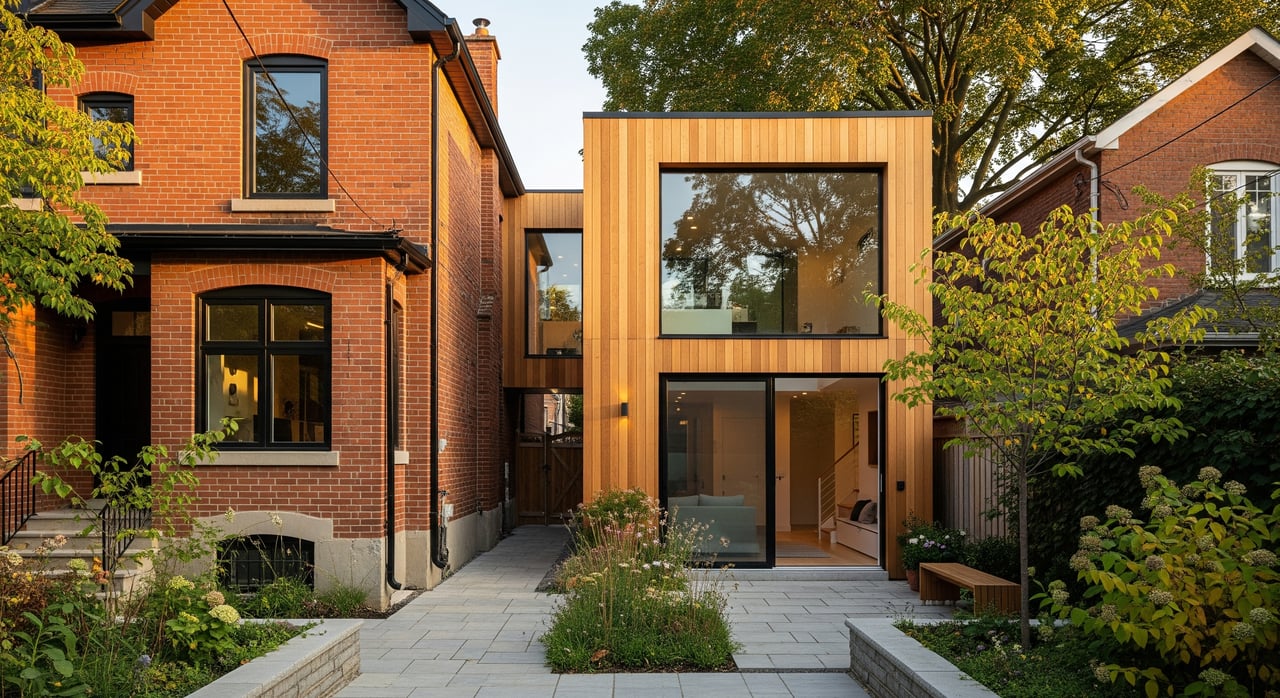
Eyeing the space behind your Riverdale home and wondering if a laneway or garden suite could work? You’re not alone. Many Toronto homeowners are exploring small, detached suites to create flexible living, add long-term rental income, or future-proof for multigenerational needs. In this quick guide, you’ll learn what these suites are, how they’re used, what they typically cost, and the key rules, timelines, and Riverdale-specific tips you should know before you start. Let’s dive in.
Laneway and garden suite basics
A laneway suite is a small, detached home at the rear of your lot that faces or accesses a public rear lane. A garden suite, sometimes called a backyard suite, is also a detached unit in the rear yard but does not need to face a public lane. In Toronto, both are considered accessory dwelling units within the broader categories of ADUs or ARUs.
Toronto has policies and permit processes for these suites. Local zoning, the Ontario Building Code, and City guidelines govern what you can build. Provincial housing policy has encouraged municipalities to allow additional residential units in more places, but the details still depend on the City’s bylaws, your lot, and neighborhood context.
Popular ways to use a suite
- Long-term rental apartment to generate steady income.
- Multigenerational living for aging parents or adult children with privacy and independence.
- Guest suite, home office, or studio for flexible lifestyle needs.
- Home-based work or creative space, subject to licensing and local rules.
- Short-term rental is more restricted in Toronto. The City’s licensing generally requires that hosts rent out their principal residence. A detached unit used exclusively for short-term stays may not comply.
Typical sizes and layouts
Most Toronto laneway and garden suites fit efficient, low-rise footprints to respect privacy and trees.
- Small studio: about 25 to 45 m² (270 to 480 ft²).
- One-bedroom: about 45 to 65 m² (480 to 700 ft²).
- Two-bedroom or larger garden suite: about 65 to 110 m² (700 to 1,200 ft²).
- Two-storey layouts often stack living space to keep the footprint compact, for example 35 to 50 m² per level.
Common forms include a single-storey rectangle tucked near the lane, or a two-storey coach-house style where living space is above and parking or storage is at grade when permitted. Garden suites placed inside the backyard often use a smaller footprint and lower profile.
Rules and approvals in Toronto
Before you sketch ideas, confirm what is allowed for your specific property. Requirements can vary by lot, block, and neighborhood overlay.
Zoning, setbacks, and height
- Zoning controls whether a laneway or garden suite is permitted and sets rules for setbacks, height, lot coverage, and maximum floor area.
- The Official Plan context can influence intensification and permissions. Always check the site-specific rules before investing in design.
Building permits and the Building Code
- A building permit is required. Your design must meet the Ontario Building Code for structure, fire safety, insulation, egress, ventilation, plumbing, electrical, and energy performance.
- Fire separation and safe exits are critical. Expect requirements for smoke and CO alarms and proper egress.
Servicing and utilities
- Water and sanitary service often tie into the existing house, or new branch connections are added. Some projects require new or separated services and City approvals.
- Hydro and gas may need separate service connections. Utility providers can require easements or new meter locations.
- Stormwater and grading must be managed to maintain proper drainage and protect neighboring properties.
Trees, landscape, and heritage
- Protected trees and canopy often shape what is possible, especially in Riverdale. You may need arborist reports and a tree protection plan.
- Heritage properties and Heritage Conservation Districts add approvals and design sensitivity. Expect stricter guidelines if your property is designated or within a district.
Parking and access
- Parking rules for accessory units vary and have been relaxed in some contexts. Many laneway suites use the lane for access and may replace an existing pad. Verify current requirements for your address.
Short-term rentals and tenant rules
- Toronto short-term rental licensing generally requires principal-residence status for hosts. Detached suites used solely for short-term rental may not comply.
- If you rent long term, the Residential Tenancies Act applies. You must follow provincial rules for leases, rent increases, and evictions.
Fees and securities
- Plan for permit fees, possible development charges, utility connection fees, and securities related to lane work or tree protection. These are project specific.
Cost, financing, and insurance
Costs vary with size, finishes, site conditions, and services. Use a realistic range and build in a contingency.
- Construction ranges often reported in Toronto are about CAD 150,000 to 450,000 or more. Smaller studios sit near the lower end. Two-storey one or two-bedroom units with complex servicing and higher-end finishes lean toward the higher end.
- Soft costs such as design and engineering, permits, surveys, arborist reports, and inspections commonly add 10 to 20 percent or more beyond hard construction.
- Financing can come from home equity, refinancing, a construction mortgage, savings, or lender products tailored to accessory suites. Lenders may consider rental income and require appraisals and principal-residence status. Products vary, so speak with a bank or mortgage broker familiar with Toronto ADUs.
- Property taxes may change after reassessment by MPAC if your property value increases with the new unit. Rental income is taxable.
- Notify your insurer before you build and before you rent. You may need policy changes, landlord coverage, or endorsements for added liability.
How long it can take
Timelines depend on design complexity, reviews, and site conditions. A straightforward project might move faster; heritage or variances can extend the schedule.
- Pre-design and feasibility: about 2 to 8 weeks for survey, early consultations, and initial site checks.
- Design and drawings: about 6 to 12 weeks to develop plans and confirm zoning.
- Permit review: about 6 to 20 weeks or more depending on complexity and whether variances or heritage approvals are involved.
- Construction: about 3 to 9 months for a small detached unit, longer with challenging sites or servicing.
- Overall: about 6 to 18 months from initial feasibility to occupancy is typical.
Riverdale-specific tips and checklist
Riverdale’s older housing stock, lane network, mature trees, and heritage character make early due diligence essential.
- Many homes back onto public lanes, but not all. Some lanes are narrow or lightly maintained. Confirm legal lane access and consider how construction will work.
- Lots are often narrow and deep. Lot width, rear yard depth, and tree locations can define your buildable envelope more than you expect.
- Heritage overlays and neighbor privacy matter. Thoughtful massing and window placement go a long way in Riverdale.
- Trees are a big factor. Expect to plan around canopy and root zones, and budget for protection measures.
Use this quick Riverdale checklist to get oriented:
- Confirm that your rear lane exists, is public, and that your lot has legal access rights.
- Order an up-to-date survey showing lot lines, easements, and utilities.
- Review zoning for setbacks, height, lot coverage, parking, and maximum floor area.
- Check for heritage designation or a Heritage Conservation District.
- Book a feasibility chat with an architect or designer who has Toronto laneway and garden suite experience.
- Review the City’s guidance and permit checklists so your plans align with local requirements.
- Ask the City about pre-consultation to surface issues early.
- Gather preliminary cost estimates and speak with lenders about financing options.
- Call your insurer and accountant about policy changes and tax implications.
- Plan proactive neighbor communication about access, timeline, and privacy measures.
Buying or selling with a suite
If you are selling, a well designed laneway or garden suite can broaden your buyer pool. Buyers value flexibility for multigenerational living or long-term rental. To present well, highlight permits, code compliance, servicing details, and quality of finishes. Clear documentation builds confidence.
If you are buying in Riverdale, you can assess two paths. You can purchase a home that already has a compliant accessory suite, or buy for potential and add one later. Either way, evaluate lane conditions, lot dimensions, tree constraints, heritage context, and servicing. Long-term rental demand in central Toronto is strong, and laneway suites can command premiums because of their independence and location, but you should assess income and operating costs carefully.
Next steps
Whether you are planning a build, buying with a suite, or selling a property that has one, it pays to get informed early and move with a clear plan. If you want tailored guidance on how a laneway or garden suite could impact your Riverdale purchase or sale, connect with our team for practical, local support.
Book a conversation with Nicole Digalakis to review your goals and next steps.
FAQs
Can every Riverdale lot with a lane add a suite?
- Not always. Even with a lane, zoning, setbacks, lot size, servicing, heritage, and tree protection can limit or prevent a build. Start with a site-specific feasibility review and City zoning check.
How soon can you rent a new Toronto laneway suite?
- After your building permit work is complete and you receive occupancy approval or final inspection sign-off. The overall process typically takes about 6 to 18 months depending on design, permits, and construction.
What does it cost to build a laneway or garden suite?
- Many Toronto projects fall in the CAD 150,000 to 450,000-plus range, with soft costs adding roughly 10 to 20 percent beyond construction. Site conditions and finishes can shift totals.
Will a laneway or garden suite change your property taxes?
- It can. A new suite may increase assessed value and taxes after MPAC reassessment cycles. Rental income is taxable. Speak with an accountant for planning.
Do you need separate meters or new sewer connections?
- Not always. Many suites connect to existing municipal services, but capacity and layout drive decisions. Separate hydro service is common for rentals. Utility and City requirements vary by site.
Are short-term rentals allowed in detached suites in Toronto?
- Toronto short-term rental rules generally require that the host’s principal residence be used. A detached unit used only for short-term stays may not comply and must be licensed if eligible.