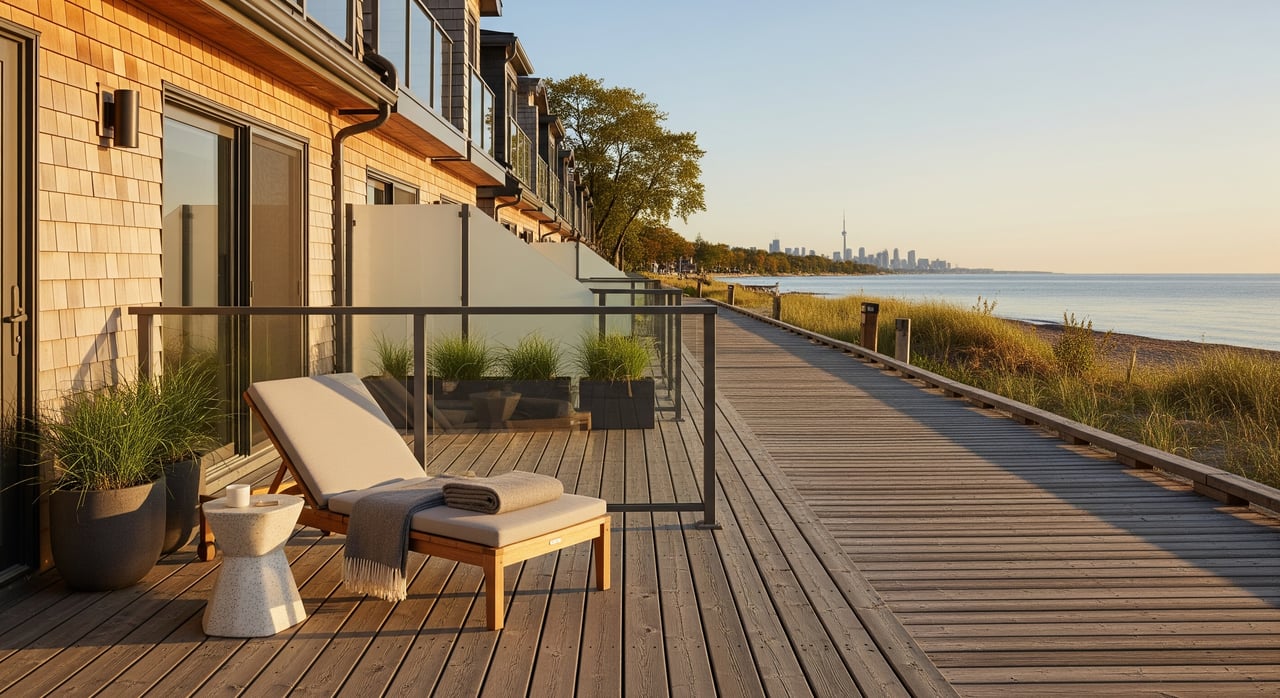
Are you picturing sunrise runs along Lake Ontario, weekend strolls on the boardwalk, and coffee on Queen East just around the corner? If you are, you’re not alone. The Beaches draws buyers who want an easy, outdoorsy lifestyle with a village feel, but waterfront living comes with trade-offs. In this guide, you’ll learn the real pros and cons, how the seasons affect daily life, and the key questions to ask before you buy near the boardwalk. Let’s dive in.
The Beaches at a glance
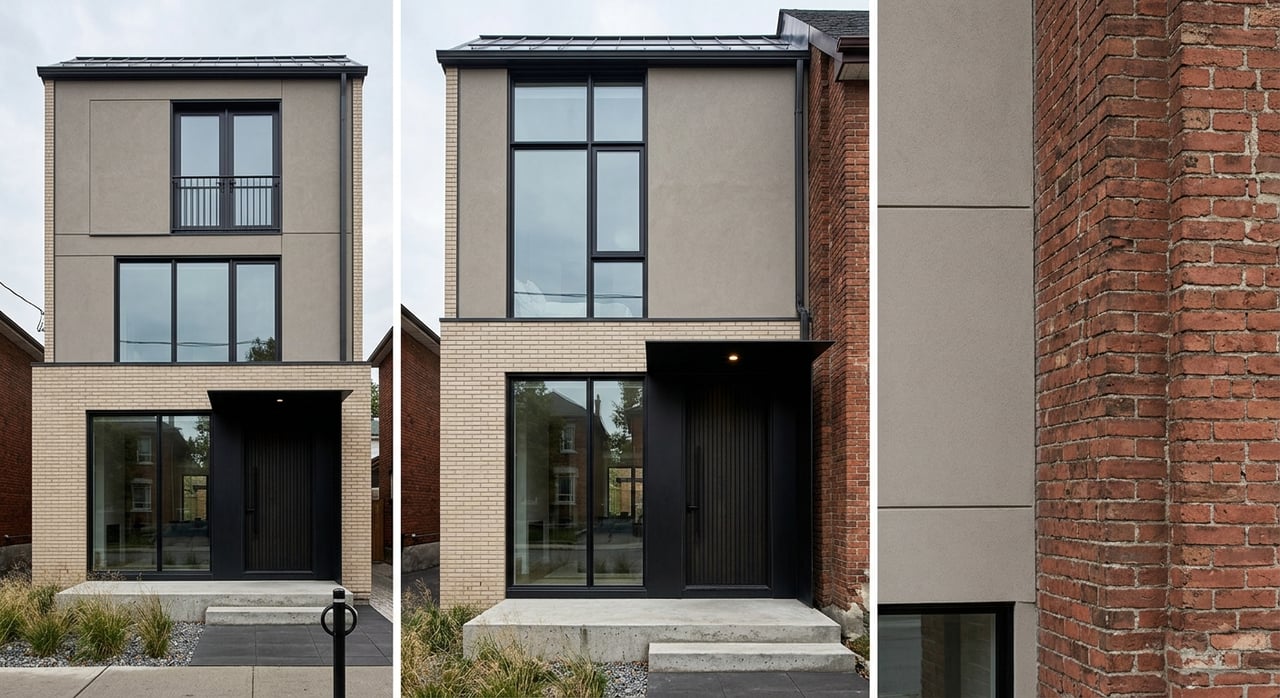
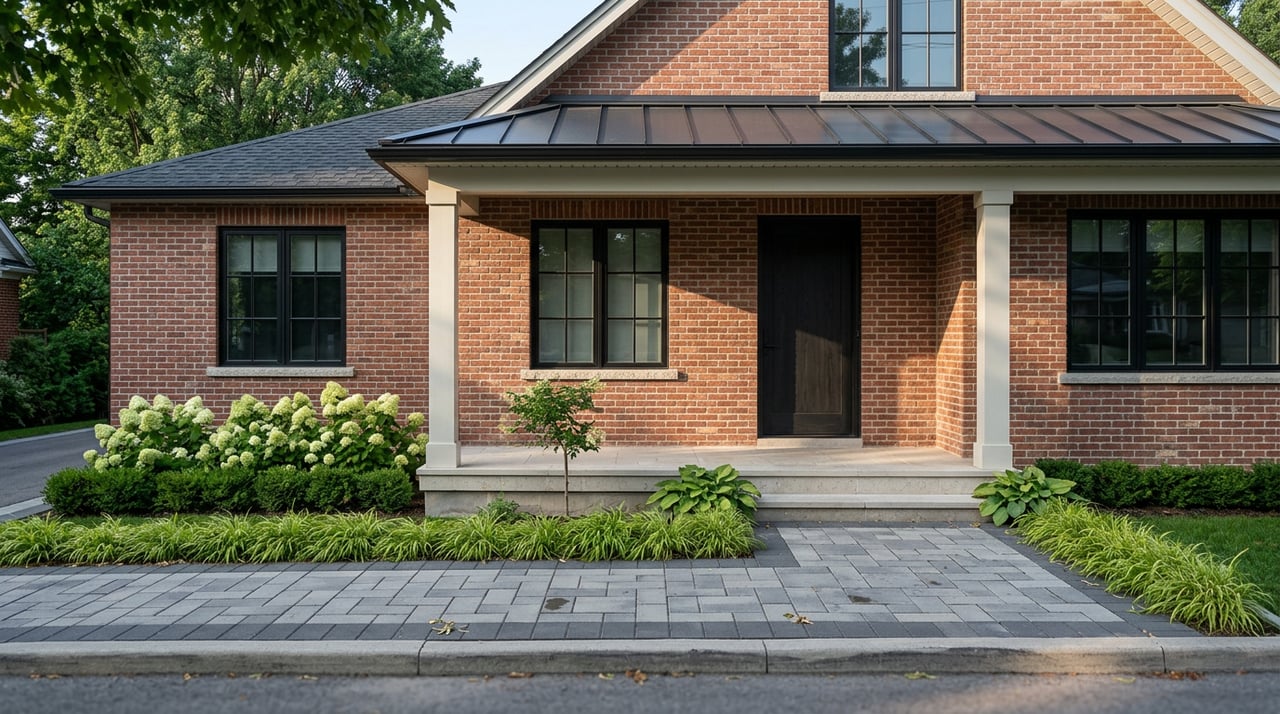
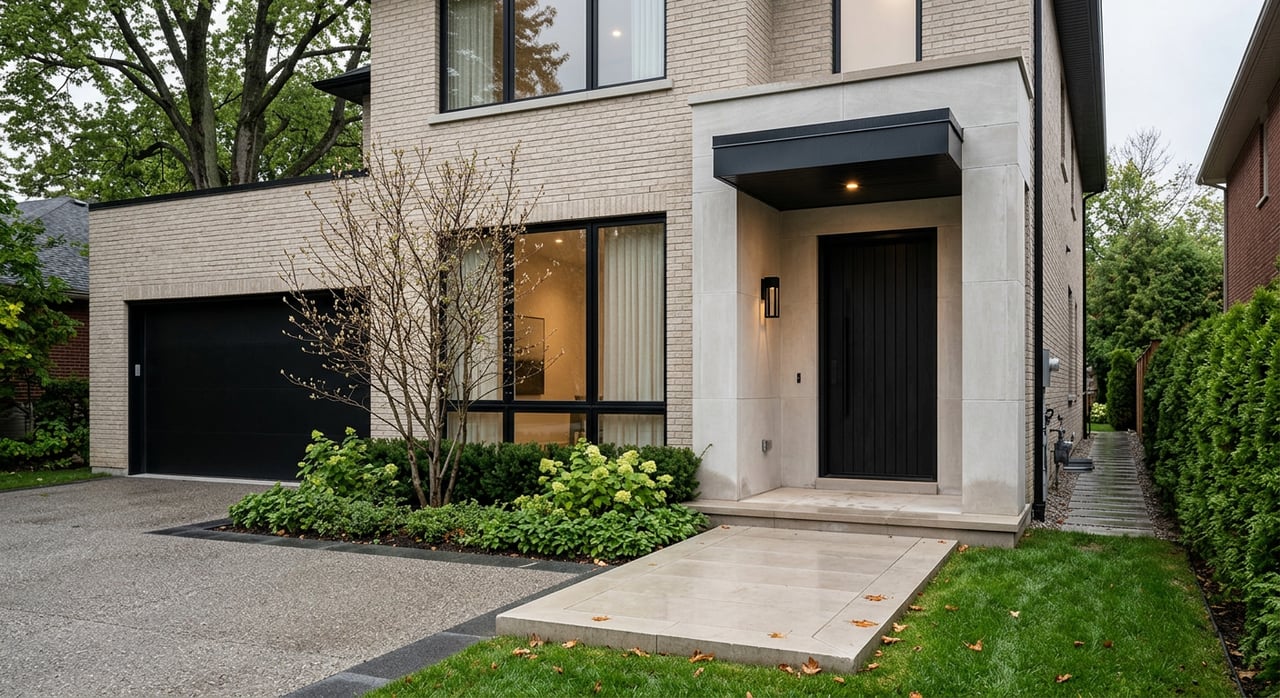
The Beaches sits along Toronto’s east-end shoreline, centered on Queen Street East with parks, woodlands, and a string of named beaches. You’ll find older detached and semi-detached homes, low- to mid-rise condos, and thoughtful infill. Properties closer to the promenade, Kew Gardens, and Woodbine Park tend to command a premium.
Getting around is straightforward. Streetcars run along Queen East with bus connections, and the Martin Goodman Trail offers a continuous east–west route for walking and cycling. Many daily errands and coffee runs happen on foot.
Pros of boardwalk living
Outdoor access every day
When you live near the promenade and trails, you can walk, run, cycle, rollerblade, or take the dog out without getting in the car. Kew Gardens and Woodbine Park add green space, playgrounds, and year-round access to nature.
Walkability and local shops
Queen Street East gives you cafés, restaurants, boutiques, and services within blocks. The street-level scene creates a friendly rhythm for errands, meetups, and a strong sense of place.
Transit and car-optional life
Streetcars and buses connect you to downtown and the rest of the city, while the waterfront trail handles short trips and workouts. For many residents, a car is helpful but not essential for daily needs.
Lifestyle and community culture
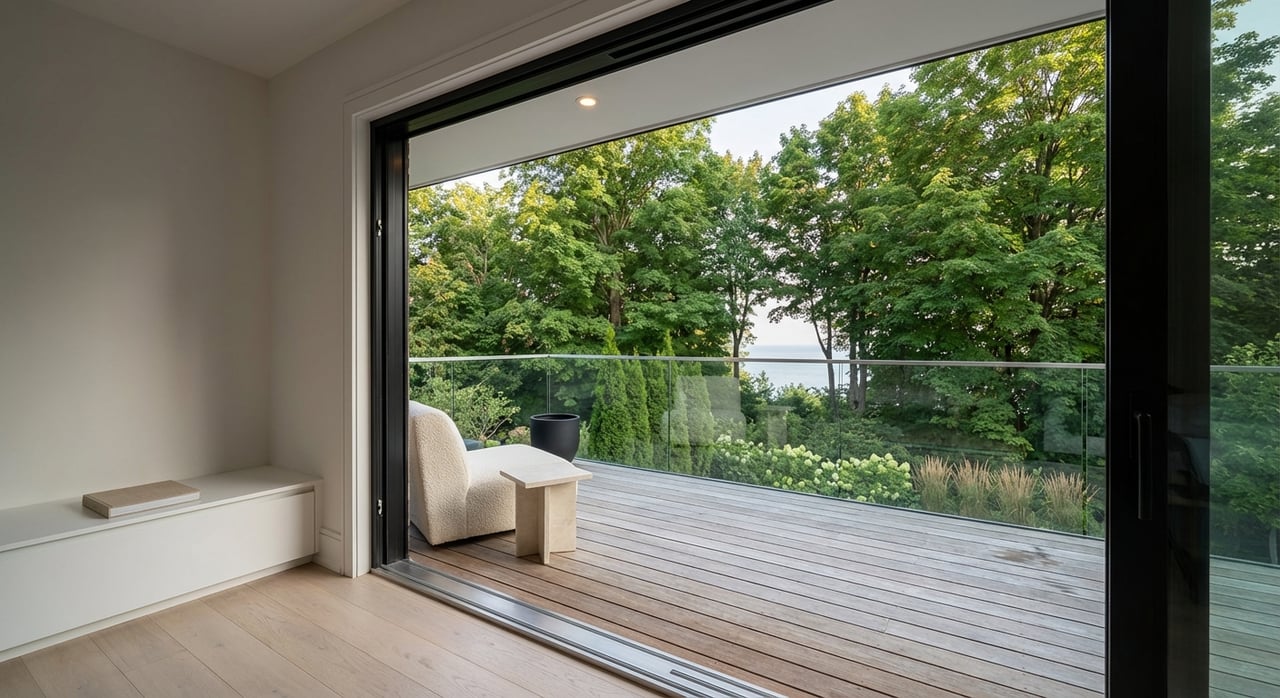
From beachside concerts to seasonal markets, you get a steady calendar of community programming. The beach-village identity and water views add an emotional pull that many owners value over the long term.
Health and well-being
Living next to parks and the lake makes it easier to be active and unwind. Access to nature can support both physical and mental wellness.
Cons to consider
Seasonality and crowds
Summer brings heavier foot traffic, more vehicles, and tourist energy on warm weekends. Expect louder evenings and busier public spaces. Winter feels much quieter, and some seasonal businesses scale back.
Noise and privacy
Events, fireworks, and weekend activity can increase noise for homes near the boardwalk and parks. This is most noticeable during the warm months and on streets close to commercial storefronts.
Parking and vehicle access
On-street parking is in high demand. Many streets have time limits and residential permit zones, and enforcement is consistent. Private driveways and garages are valuable and can be scarce near the water. Large deliveries or moving days sometimes require permits or off-peak timing.
Maintenance and wear
Salt, sand, and lake humidity can age exterior finishes faster than inland homes. Watch for corrosion on metal, weathering on paint and decks, and extra grit tracked indoors. HVAC components may need more frequent care.
Environmental and flood risks
Waterfront settings can face lake-level changes, storm surge, and intense weather. Low-lying homes may be more vulnerable to water intrusion. Review municipal floodplain maps and conservation authority guidance for any specific property, and check for Toronto Public Health swim advisories after heavy rain.
Costs and insurance
Waterfront proximity is priced into the market. Expect higher purchase premiums, potentially higher property taxes, and increased maintenance. Ask your insurer about water and flood coverage specifics for properties near the shoreline.
Year-round rhythms
- Spring: Outdoor activity ramps up and businesses extend hours. It can still be breezy and cool by the lake.
- Summer: Peak season. Lifeguard-supervised beaches, festivals, patios, and weekend tourism bring energy and crowds.
- Fall: Calmer streets with great walking weather and fall colors in the parks. Some events wind down.
- Winter: Quietest period. Boardwalk life slows, some kiosks close, and snow or ice can affect smaller paths.
Buyer checklist near the boardwalk
Self-test your fit
- Do you value daily outdoor access more than summer quiet?
- Will seasonal crowds or noise disrupt your routine?
- Is off-street parking important for your household and visitors?
Questions to ask sellers and your agent
- Any history of water intrusion or basement flooding? What mitigation exists, such as sump pumps or backwater valves?
- Are there upcoming municipal or shoreline projects, event changes, or traffic plans that affect the area?
- How are nearby paths and the boardwalk maintained in winter?
- What are the parking realities: private spaces, driveway size, permit zone details, and visitor options?
Inspection and technical checks
- Look for signs of salt-related corrosion, worn exterior finishes, window seal issues, and HVAC performance.
- Check the basement and crawlspace for dampness or previous water damage.
- Confirm lot elevation relative to street and shoreline; cross-check municipal floodplain maps and conservation authority resources if needed.
- Ask your insurer about premiums, exclusions, and water-related coverage.
Lifestyle logistics to confirm
- Locate your closest grocery, pharmacy, and after-hours services.
- Test the streetcar commute at peak and off-peak times.
- Visit at multiple times: a weekday morning, a summer weekend afternoon, and an evening to gauge noise and crowd levels.
How to approach your search
- Prioritize the block, not just the house. Two streets apart can feel very different on summer weekends.
- Balance privacy needs with boardwalk proximity. A half-block buffer may deliver outdoor access without peak noise.
- Value parking and storage. If you need two vehicles, a private space can be worth a premium.
- Plan for maintenance. Budget for exterior touch-ups, HVAC service, and added cleaning for sand and grit.
If you want an outdoor-first lifestyle, The Beaches boardwalk can be a perfect match. If you need quiet weekends or rely on on-street parking, a few blocks’ distance may suit you better. With clear priorities and due diligence, you can enjoy the best of lakeside living without surprises.
Ready to tailor your search to the blocks that fit your lifestyle and long-term goals? Book a complimentary consultation with Nicole Digalakis to get hands-on guidance, market-smart strategy, and access to curated opportunities in The Beaches.
FAQs
What is summer like near The Beaches boardwalk?
- Summer is the busiest season with festivals, lifeguard-supervised beaches, patios, and heavier weekend crowds, which can raise noise and parking demand.
How does parking work close to the boardwalk?
- On-street parking is competitive, with time limits and residential permit zones; private driveways and garages are valuable and can be scarce near the lake.
Are flood or water issues a concern for The Beaches homes?
- Low-lying properties may face higher water-intrusion risk during storms or high lake levels; review municipal floodplain maps and conservation authority guidance for a specific address.
What maintenance should I expect near the lake?
- Expect faster wear on exterior paint and metal, more HVAC attention, and sand or grit cleanup, especially for homes closest to the promenade.
Is a car necessary for daily life in The Beaches?
- Many daily needs are walkable along Queen East, and the streetcar and waterfront trail make car-free living feasible for many residents.
How often are waterfront events and how noisy can it get?
- Events and fireworks are seasonal and concentrated in warmer months; homes within a few blocks of parks and the boardwalk feel this most on weekends and holidays.