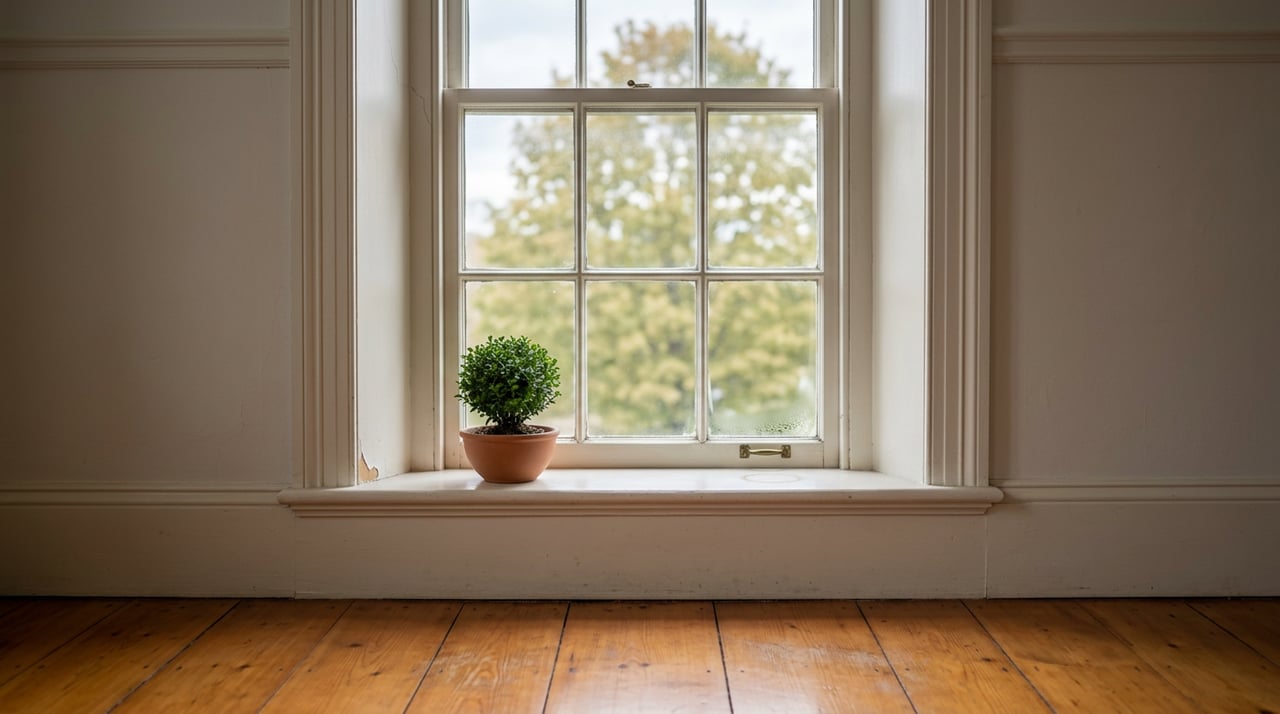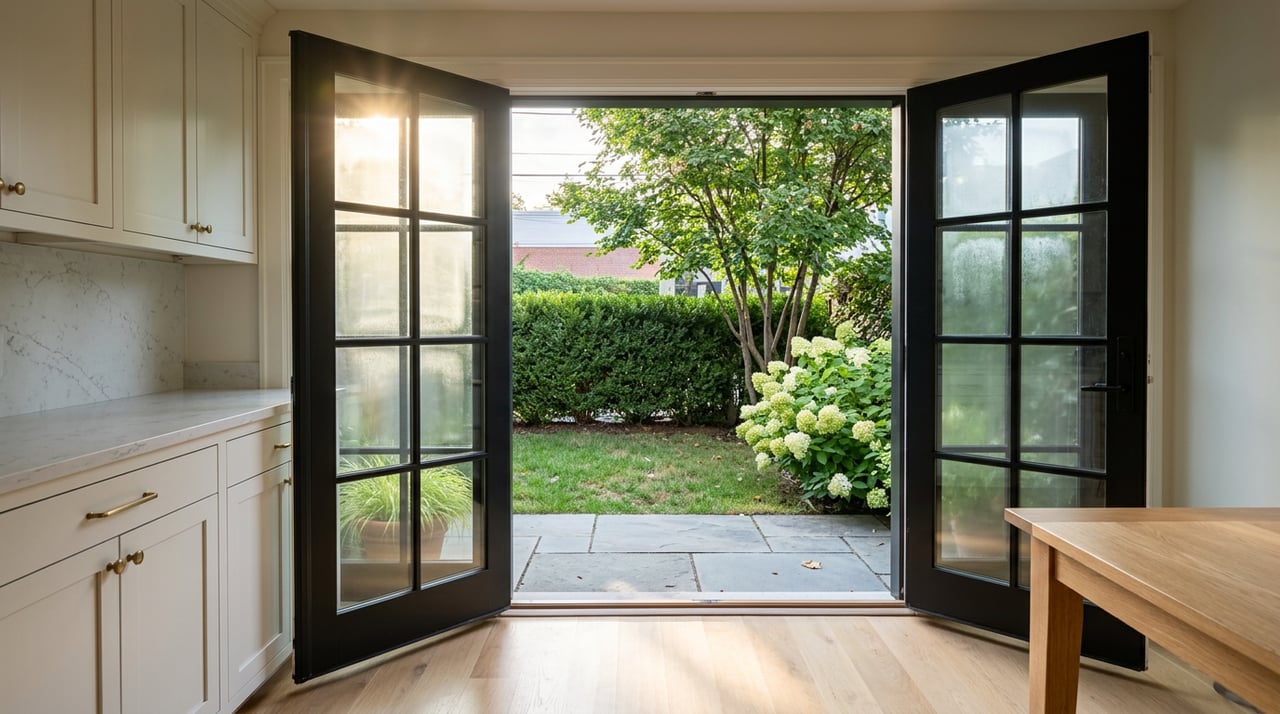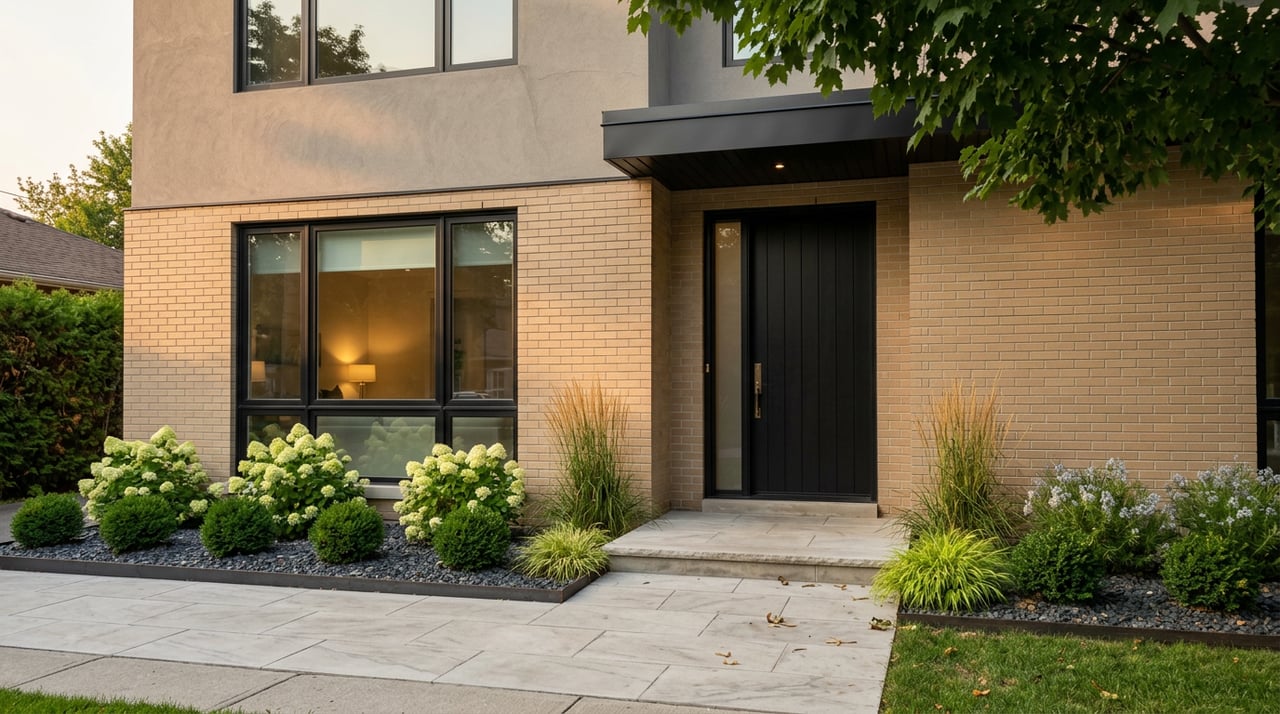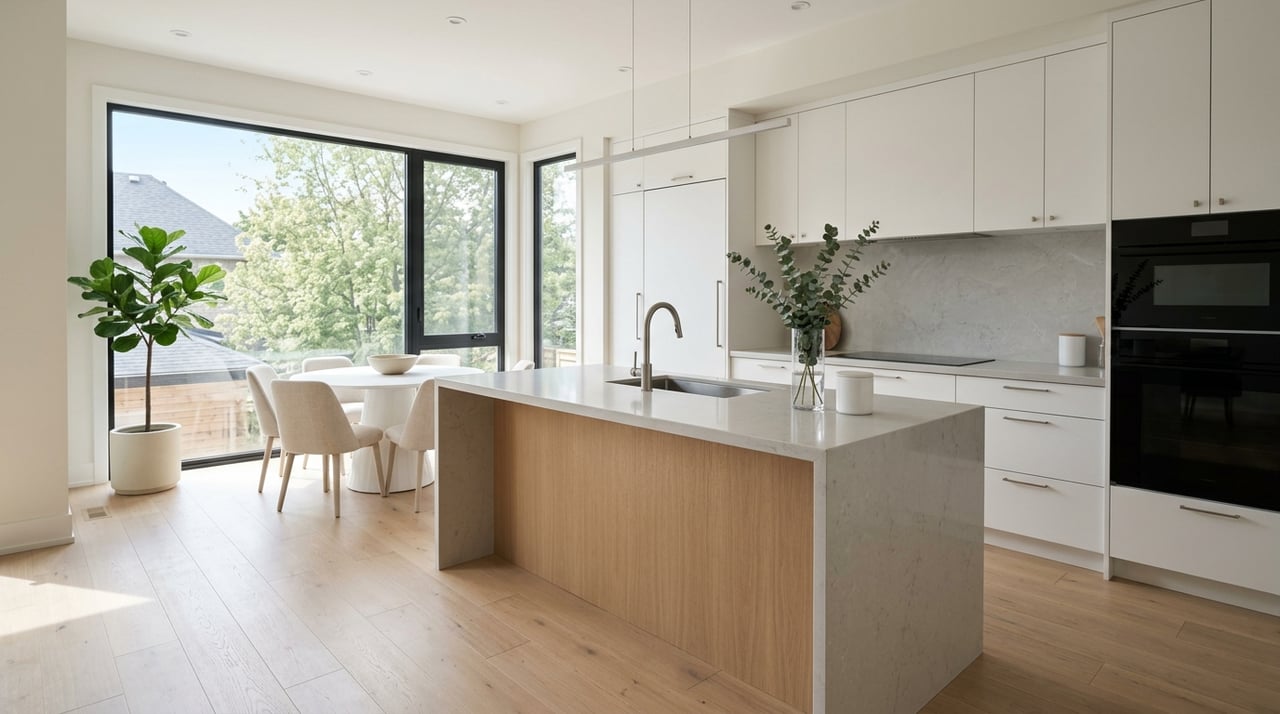
Wondering whether you should pour money into renovations before selling near Scarborough Bluffs? It is a smart question, especially in Scarborough Village, where buyers may compare your home not just to other houses, but also to condos and older properties with very different price points and condition. The good news is that you do not always need a major remodel to make a strong impression. In most cases, the better strategy is to focus on the updates that improve how your home looks, feels, and functions right away. Let’s dive in.
Why this decision matters in Scarborough Village
Scarborough Village is a varied housing market, not a one-style neighbourhood. City data for the broader area shows a mix of detached homes, semis, row houses, low-rise apartments, and larger apartment buildings, with many homes built in 1960 or earlier. That means buyers often compare homes across different property types, and condition can have a big impact on how your home stacks up.
Local context matters here too. The City has highlighted ongoing planning conversations around streets, walking and cycling connections, and neighbourhood character in Scarborough Village. In practical terms, buyers may pay attention to more than just your kitchen or bathroom. They may also notice curb appeal, site upkeep, drainage, and how the home fits into its streetscape.
For homes near the Bluffs, exterior presentation can carry even more weight. The City notes that the bluff edge is unstable, so buyers are often more alert to visible signs of maintenance, grading, and overall care. Even if your home is not directly on the edge, a tidy and well-maintained exterior helps build confidence.
The short answer: usually refresh, not renovate
If you expect to sell within the next 12 months, the safest rule of thumb is usually repair, refresh, and stage rather than renovate. That approach lines up with how home value works in the real world. CMHC notes that value depends on current market conditions and comparable sales, along with factors like location, age, quality, and layout.
In other words, renovations are only one part of the pricing story. A costly project does not automatically create an equal jump in sale price. In many cases, a clean, updated, move-in-ready home with broad appeal performs better than a heavily customized home that only suits a narrow slice of buyers.
Current GTA market conditions also support a presentation-first strategy. TRREB reported in May 2026 that home sales were up year over year, new listings were down, and the benchmark price was also down year over year. In that kind of market, buyers may still reward homes that show well and feel easy to move into.
Updates that are usually worth doing
The best pre-listing improvements are often the least disruptive ones. These are the changes that help buyers feel that the home has been cared for, without forcing your personal taste on them.
TD highlights several lower-risk updates that can support value before a sale:
- Fresh paint
- Updated door handles and hardware
- Improved lighting
- Simple landscaping
- Cabinet refacing
- Lighter flooring choices
These projects tend to work because they improve first impressions fast. They also photograph well, which matters when your listing presentation is a major part of the marketing strategy.
Focus on visible wear first
Before you spend money on something dramatic, walk through your home like a buyer would. Scuffed walls, dated light fixtures, tired hardware, stained caulking, and worn flooring all create friction. Small signs of neglect can make buyers wonder what else has been overlooked.
Fixing visible wear is often a better investment than installing something brand new. If the materials underneath are still in good condition, refinishing or refreshing may be enough to lift the whole space.
Keep the design broad and neutral
In a mixed market like Scarborough Village, broad appeal matters. Since buyers may range from move-up families to downsizers to value-conscious shoppers, neutral finishes are usually the safer choice. Clean lines, simple lighting, and lighter, timeless surfaces tend to help more buyers picture themselves in the home.
This is especially important if you are selling an older property. You want the home to feel current and cared for, not overdesigned for one specific taste.
What staging can do for your sale
If you only remember one thing from this article, make it this: presentation matters. CREA says an unstaged home can still sell, but it may take longer and may not reach the seller’s target price. It also notes that professional staging helps buyers visualize themselves in the property.
If full staging is not in the plan, decluttering still makes a meaningful difference. CREA recommends reducing belongings by about 30% to 50% when full staging is not possible. That alone can make rooms feel larger, brighter, and easier to understand.
TRREB also describes staging as a strategic marketing tool that helps buyers make an emotional connection with the home. In a neighbourhood where buyers may be comparing several types of properties, that emotional connection can be what sets your listing apart.
Prioritize these staging basics
If you are getting ready to list, start here:
- Remove excess furniture
- Clear kitchen and bathroom counters
- Pack away personal items and bulky decor
- Open sightlines in main living spaces
- Refresh bedding, towels, and lighting
- Tidy the entry, front walk, and backyard
These steps are simple, but they help your home feel more spacious and more polished in person and online.
Renovations to be cautious about
Major renovations right before selling are where many homeowners overspend. Full kitchen remodels, bathroom gut jobs, room additions, and structural changes can be expensive, time-consuming, and hard to recoup.
CIBC, summarizing guidance from the Appraisal Institute of Canada, notes that kitchen facelifts may recoup about 75% to 100% of cost. That can be reasonable in some cases, but it is still not a guaranteed profit. TD also warns that highly customized features may not be recouped, especially if you plan to sell soon.
That is why a full renovation should usually solve a real resale problem, not just satisfy a personal preference. If the existing space is functional and presentable, a lighter update often makes more financial sense.
Be careful with permits and timing
Toronto rules are another reason to think twice before starting major work. The City requires building permits for additions, structural or material alterations, and some basement-finishing work. If work that needs a permit is done without one, the City warns that it can lead to delays, legal action, or even removal of completed work.
If your selling timeline is short, permit-related projects can quickly become stressful and expensive. Unless a major renovation is necessary to fix a clear issue, it may be better to avoid opening that door before listing.
When a bigger project might make sense
There are cases where a larger improvement is worth considering. If your sale horizon is more like 1 to 3 years, the better question is not “Should I renovate?” but “Does this project fix a real problem?”
A project may be worth doing if it:
- Solves a visible defect
- Improves layout or function
- Brings a very dated room up to the level of the rest of the home
- Replaces a major system that is near the end of its life
Energy efficiency can be a useful category to consider. CMHC says 59% of homebuyers view energy efficiency as important, and TD also frames it as a worthwhile resale investment. If a key system is aging anyway, replacing it may improve both function and buyer confidence.
A practical Scarborough Village checklist
If you are deciding what to do before listing, this simple framework can help.
Sell within 12 months
Choose a refresh-first plan:
- Complete needed repairs
- Paint where necessary
- Update hardware and lighting
- Improve landscaping and exterior tidiness
- Declutter and stage
- Avoid major custom renovations
Sell in 1 to 3 years
Be more selective and strategic:
- Fix anything buyers will flag right away
- Update worn or dated spaces with neutral finishes
- Consider energy-efficient replacements for aging systems
- Avoid projects that require heavy customization unless they solve a true marketability issue
The goal is confidence, not over-improvement
In Scarborough Village, buyers are often weighing condition, presentation, location, and overall value at the same time. Because the local housing stock is diverse and includes many older homes, the homes that feel well-kept and easy to move into often have an advantage. You do not need to win with the most dramatic renovation. You need to win on confidence.
That means creating a home that looks cared for, functions well, and appeals to a broad range of buyers. For many sellers, that is exactly where thoughtful repairs, light updates, and expert staging outperform a major remodel.
If you want clear advice on what to fix, what to leave alone, and how to position your home for the strongest result in Scarborough Village or near the Bluffs, Nicole Digalakis can help you build a smart, tailored plan before you list.
FAQs
Should you renovate before selling a home in Scarborough Village?
- Usually, no. If you plan to sell within 12 months, a repair, refresh, and stage approach is often safer than a major renovation.
What home updates add the most value before selling near Scarborough Bluffs?
- Lower-risk updates like fresh paint, lighting, hardware, landscaping, cabinet refacing, and lighter flooring choices are often the most practical pre-listing improvements.
Is staging important when selling a home in Scarborough Village?
- Yes. CREA says staging can help buyers picture themselves in the home, and decluttering by 30% to 50% can still improve presentation if full staging is not possible.
Are major renovations risky before listing a Toronto home?
- Yes. Large projects can be expensive, may not fully pay back, and may also trigger permit requirements that can delay your timeline.
What should sellers fix first before listing near Scarborough Bluffs?
- Start with visible wear, needed repairs, exterior tidiness, drainage concerns, dated fixtures, and anything that makes the home feel less cared for or less move-in ready.