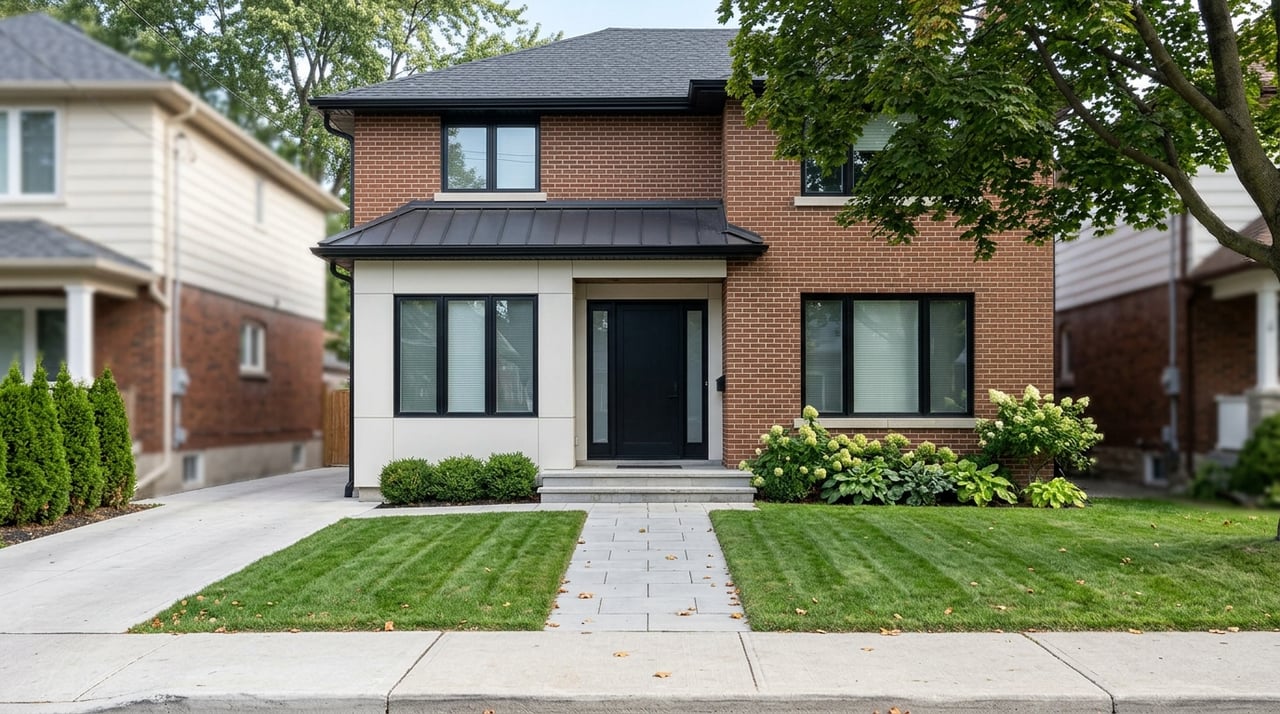
If you are upsizing in Toronto’s east end, one question tends to shape everything else: what kind of daily family life do you actually want? Some neighbourhoods make it easier to walk to the waterfront, some simplify the downtown commute, and some give you more of that practical, ground-oriented feel many buyers want for the long term. If you are comparing East Toronto neighbourhoods for family living, this guide will help you sort through the trade-offs with more confidence. Let’s dive in.
What East Toronto families are really comparing
Across East Toronto, many residential areas fall within the City’s broader Neighbourhoods framework, which is generally made up of low-rise, physically stable housing forms such as detached homes, semi-detached homes, duplexes, triplexes, townhouses, and walk-up apartments up to four storeys. For you as a buyer, that usually means the choice is less about towers and rapid change, and more about street feel, lot size, parks, and how you move through the city each day.
In simple terms, family buyers in the east end are often weighing four distinct lifestyle patterns. The Beaches offers a lakefront, outdoor-oriented setting. Riverdale blends historic housing with fast access to downtown. East York often feels like the practical middle ground. The Scarborough Bluffs area leans more suburban, with a stronger focus on nature and space.
The Beaches for lakefront family living
The Beaches began as a seasonal resort community and later evolved into a streetcar suburb, and you can still feel that layered history in its mature streets and early 20th-century homes. For many families, that built-in character is a big part of the appeal.
The biggest lifestyle advantage here is easy access to the outdoors. Woodbine Beach offers supervised swimming and beach infrastructure, while Glen Stewart Ravine adds a quieter, leafy natural setting nearby. If your ideal weekend includes the waterfront, trails, and getting outside without planning a long drive, this area stands out.
Transit in the Beaches is largely streetcar-led. The 501 Queen streetcar runs between Neville Park Loop and Long Branch Loop all day, every day, and Woodbine Station gives the eastern part of the neighbourhood a connection to Line 2. For many households, that means solid city transit access, though the area may feel less convenient if your routine depends heavily on cross-city driving or carrying a lot in the car.
Who the Beaches tends to suit best
The Beaches often fits families who want lifestyle first. If you value walkability, lake access, and a neighbourhood with a strong sense of place, it can be a very appealing choice.
At the same time, you are usually accepting the trade-off that comes with a more established, waterfront urban setting. In many cases, your decision here is less about maximizing space and more about maximizing how you spend your time outside the house.
Riverdale for character and commute
Riverdale offers some of the earliest development east of the Don River, and the housing stock reflects that history. City heritage materials describe a mix of Bay-and-Gable homes, Second Empire row houses, and modest Edwardian Four Squares, which gives the area a classic old Toronto feel.
For family living, Riverdale brings more than just charming homes. Riverdale Park East, Riverdale Farm, and connections to the Lower Don trail network make it one of the more park-rich urban neighbourhoods near the core. You get a residential feel, but with access to outdoor amenities that support everyday family routines.
Transit is one of Riverdale’s strongest selling points. Broadview, Pape, Chester, and Main Street stations all serve the broader area on Line 2, and Main Street also connects to Danforth GO. If your household wants a genuinely urban commute without giving up a lower-rise streetscape, Riverdale is especially compelling.
Why Riverdale stands out
Riverdale tends to appeal to buyers who want a close-in location with strong transit and older housing character. It is often a strong fit if being near downtown matters, but you still want parks, trails, and a neighbourhood feel.
In practical terms, Riverdale can make sense for families who do not want to choose between city access and residential comfort. That balance is not easy to find, which is one reason the area stays top of mind for many move-up buyers.
East York for balance and flexibility
East York has long been shaped by its history as a purpose-built residential municipality. City archives and zoning information point to a low-rise, ground-oriented pattern, with detached and semi-detached homes forming a large part of its housing stock.
That housing mix matters because it often supports the kind of practical family layout buyers are searching for. East York frequently feels like the middle ground between the denser inner east neighbourhoods and more suburban areas farther east. You may find more yard-friendly housing while still staying connected to the city.
Parks and recreation are another strength. Stan Wadlow Park, Todmorden Mills, and the Don Valley and Taylor Creek trail system give the area a broad mix of recreation, heritage, and nature access. For many families, that creates a strong day-to-day quality of life without leaving Toronto.
Transit is spread across multiple options rather than one defining corridor. Donlands, Woodbine, Victoria Park, and Main Street stations all serve different parts of East York, supported by bus connections. That flexibility can be valuable if your household has different schedules, commuting patterns, or destinations.
Why East York is a practical choice
East York often works well for families who want a little bit of everything. You get a generally ground-oriented housing pattern, solid access to green space, and several transit choices rather than relying on one single line or route.
For many buyers, that makes East York the easiest compromise to live with over time. It may not be as lake-driven as the Beaches or as close-in as Riverdale, but it often delivers a well-rounded daily experience.
Scarborough Bluffs for space and nature
The Scarborough Bluffs area is defined first by landscape. The Bluffs stretch for about 15 kilometres along Lake Ontario, with shoreline parks, lookouts, trails, and beach access, while Guild Park and Gardens adds more woods, waterfront setting, and public art.
For family buyers, this area often competes on outdoor setting and lot context rather than on walkable main-street density. The residential feel is different from the inner east end, with a lower-density and more suburban pattern in many parts of the area.
The transit picture is also different. Guildwood GO offers regional rail access, and Kennedy GO and Kennedy Station provide broader connections. Compared with Riverdale or the Beaches, though, the Scarborough Bluffs area is generally more GO- and car-oriented.
There is also an important location-specific consideration here. The City is actively studying shoreline enhancement and erosion-related safety risks through the Scarborough Bluffs West project, so if you are considering a top-of-bluff property, the specific location and long-term maintenance context deserve careful review.
What makes the Bluffs different
The Scarborough Bluffs area tends to suit families who prioritize space, scenery, and a quieter pace. If your ideal setting includes trails, lookouts, waterfront parkland, and a more suburban atmosphere, it offers something the inner east end cannot fully replicate.
The trade-off is that your daily rhythm may depend more on driving or GO service than on a simple subway or streetcar routine. For some buyers, that is well worth it for the setting alone.
Comparing the four neighbourhoods
If you are trying to narrow your search, it helps to look at the core differences side by side.
| Neighbourhood | Housing feel | Outdoor lifestyle | Commute style | Often best for |
|---|---|---|---|---|
| The Beaches | Early 20th-century homes and mature streetscapes | Strong lakefront access with Woodbine Beach and Glen Stewart Ravine | Streetcar-first with subway access nearby | Families prioritizing walkability and the lake |
| Riverdale | Historic mix of Bay-and-Gable, row houses, and Edwardian forms | Strong urban parks and trail access | Excellent Line 2 access plus Danforth GO nearby | Families wanting character and a simpler downtown commute |
| East York | Ground-oriented detached and semi-detached housing pattern | Parks, trails, and broad recreational access | Multiple Line 2 stations and bus links | Families seeking balance, flexibility, and practical space |
| Scarborough Bluffs | Lower-density, more suburban residential feel | Trails, lookouts, waterfront parks, and natural scenery | More GO- and car-oriented | Families prioritizing nature, lot context, and a quieter setting |
How to choose the right fit
When families compare East Toronto neighbourhoods, the best answer is rarely about which area is objectively best. It is usually about which trade-off fits your household most comfortably day after day.
A helpful way to think about it is to ask three questions:
- How much interior and outdoor space do you want from the typical housing stock?
- Do you want your commute to be streetcar-led, subway-led, or GO-led?
- Are you drawn more to waterfront and park lifestyle, or to a practical residential street grid with flexible access around the city?
If lifestyle and the lake are highest on your list, the Beaches may rise to the top. If transit and urban character matter most, Riverdale is hard to ignore. If you want the broadest practical balance, East York often deserves a close look. If you want scenery, nature, and a more suburban feel, the Scarborough Bluffs area may be the strongest match.
What this means for your home search
The right neighbourhood is not just about where you want to buy. It is about how you want to live once you get there. That is especially true for family buyers who are thinking beyond the next year and planning for the next stage of life.
A clear neighbourhood strategy can save you time and help you focus on homes that truly fit your priorities. If you are weighing the Beaches, Riverdale, East York, or the Scarborough Bluffs, working with someone who understands the differences at a street-by-street level can make that process much clearer.
If you are planning a move in East Toronto and want tailored guidance on where your budget, lifestyle, and long-term goals align best, connect with Nicole Digalakis for a complimentary consultation.
FAQs
What is the best East Toronto neighbourhood for waterfront family living?
- The Beaches is often the strongest fit for waterfront-oriented family living because of Woodbine Beach, beach infrastructure, and nearby natural spaces like Glen Stewart Ravine.
Which East Toronto neighbourhood has the easiest downtown commute for families?
- Riverdale generally offers the strongest urban commute setup in this comparison, with access to multiple Line 2 stations and a connection to Danforth GO through Main Street Station.
Is East York a good choice for families who want more practical space?
- East York often appeals to families looking for a balance of detached and semi-detached housing, parks and trails, and flexible transit access across several stations and bus routes.
How does Scarborough Bluffs compare with Riverdale or the Beaches?
- The Scarborough Bluffs area typically offers a more suburban, nature-focused setting with waterfront parks, trails, and lookouts, but it is generally more GO- and car-oriented than Riverdale or the Beaches.
What should family buyers compare when choosing an East Toronto neighbourhood?
- The most useful comparison points are usually housing type and space, commute style, access to parks and waterfront, and whether you want a more urban or more suburban day-to-day setting.