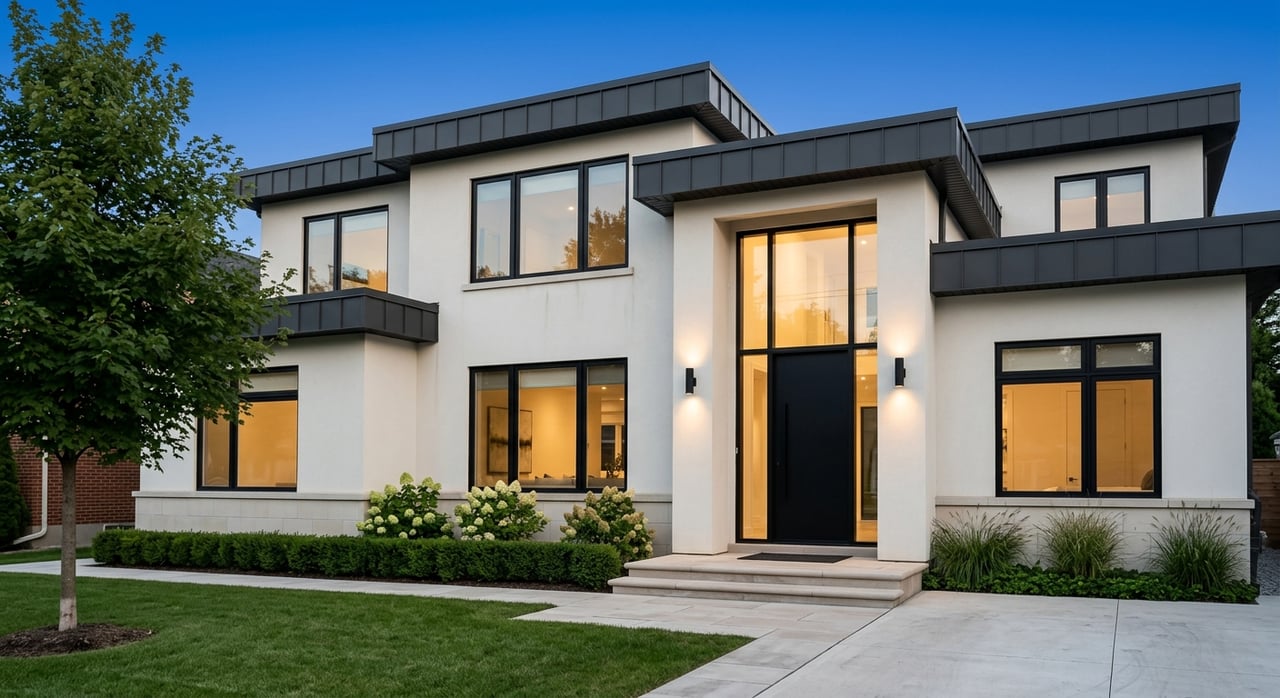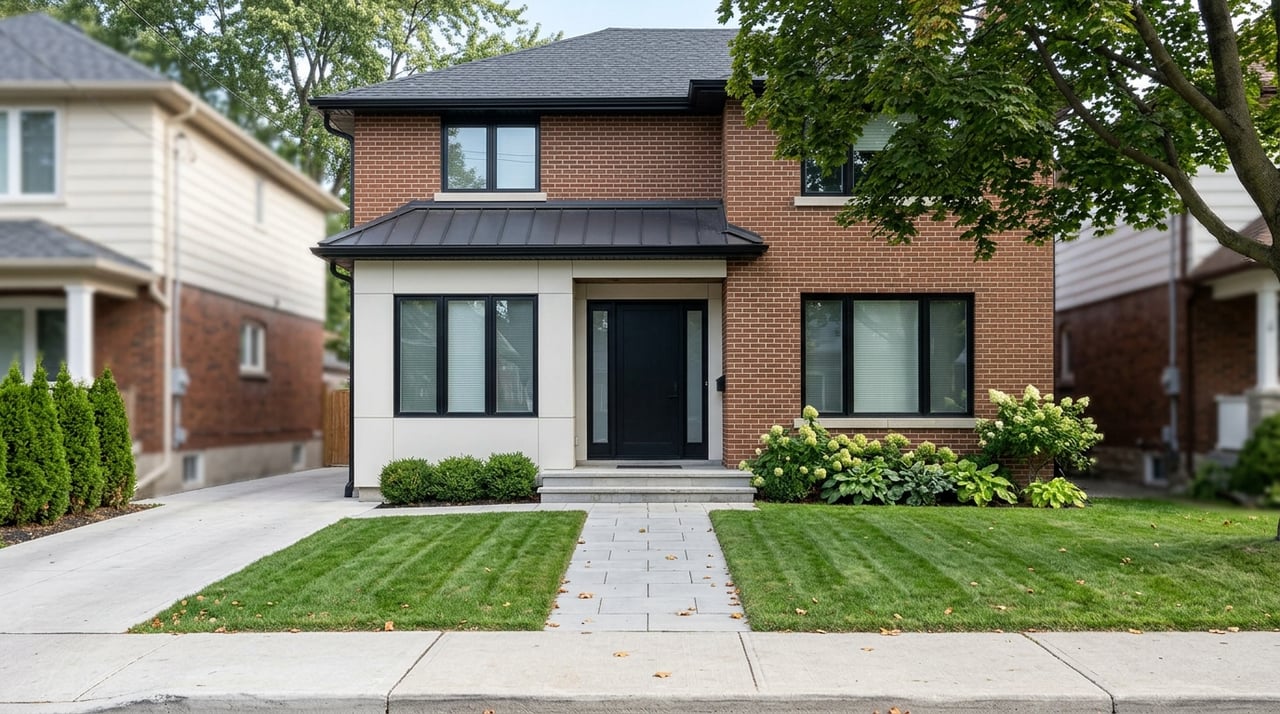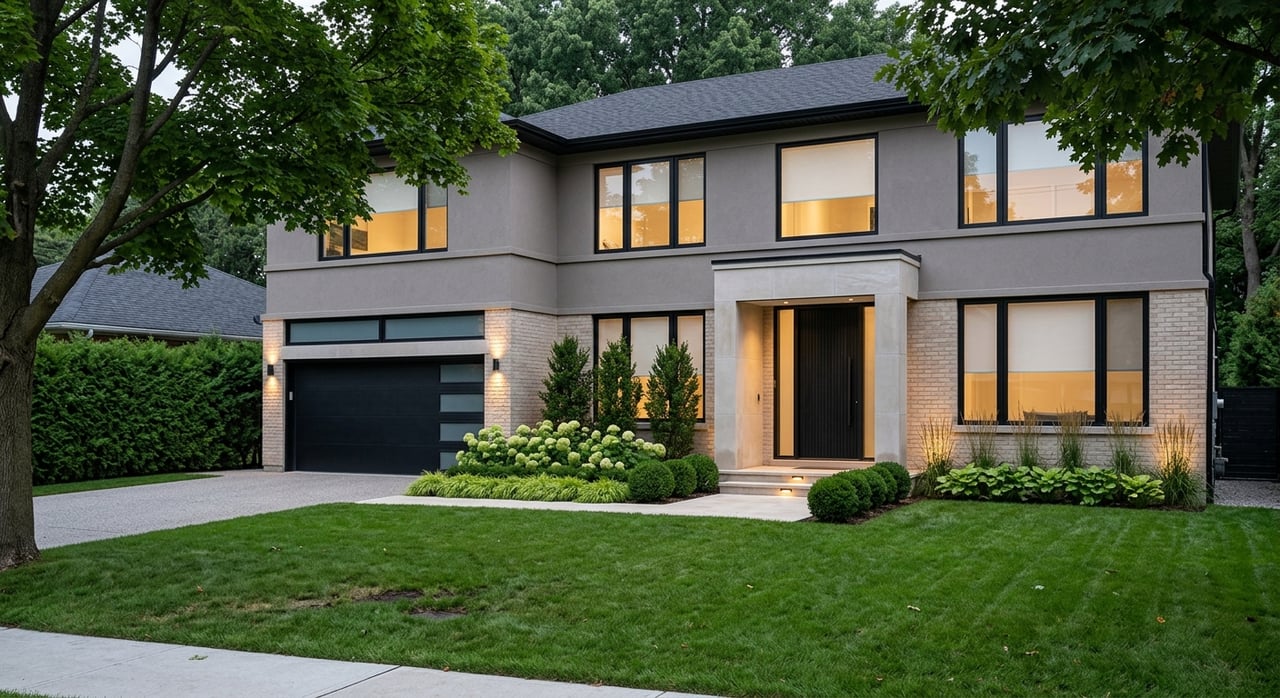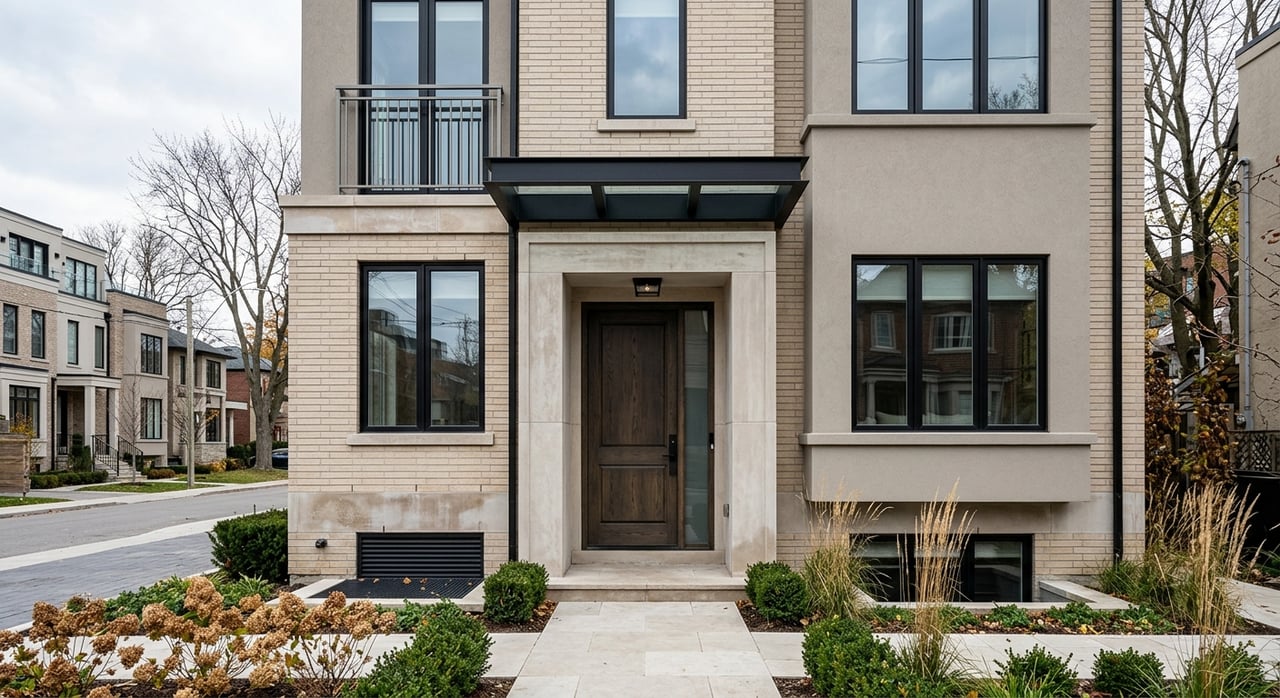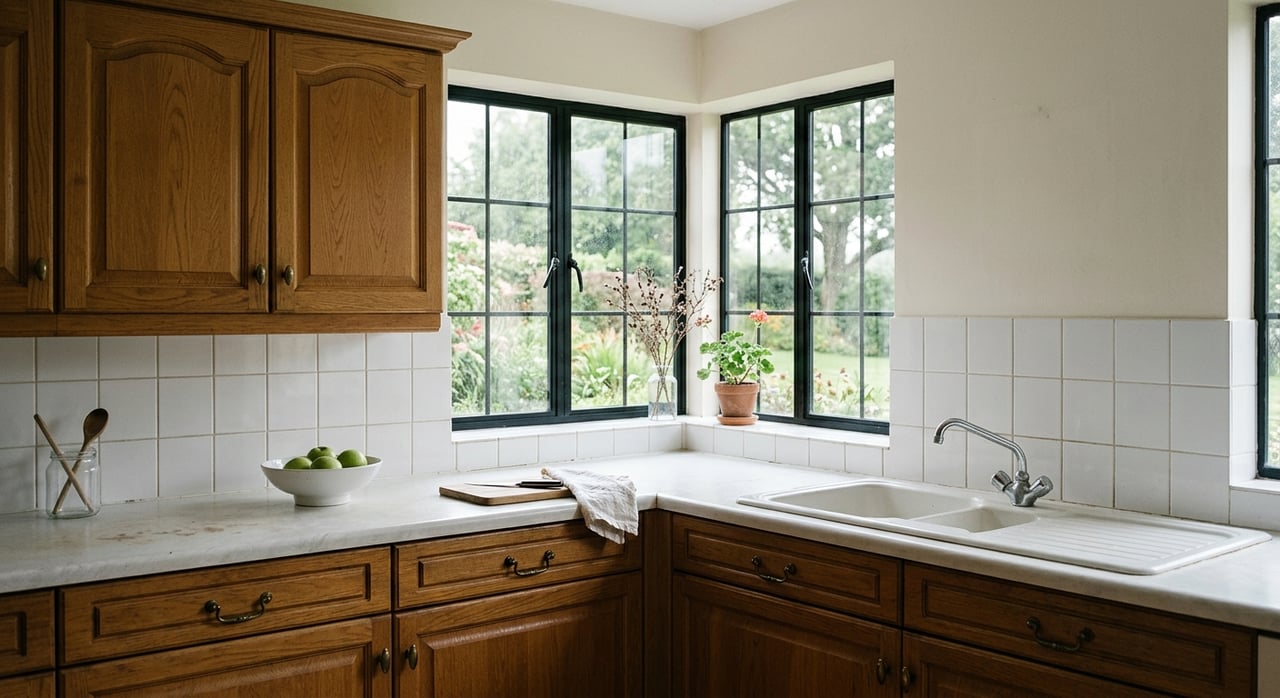
If you are shopping in East York, one question can shape your whole buying strategy: should you stretch for a move-in ready home or take on a fixer-upper with upside? It is a real trade-off, especially in a market where older homes are common and competition can still move quickly. If you understand the costs, risks, and timing on both sides, you can make a decision that fits your budget and your life. Let’s dive in.
East York Market Conditions Matter
East York remains a competitive part of Toronto’s east end. In early May 2026, third-party market trackers put local house values in the mid-$1.3 million range, with reported prices around $1,332,111 to $1,350,000 and homes selling in about 15 days on average.
That pace matters when you are weighing a renovation project against a turnkey purchase. Wahi reported 2 months of inventory in April and classified East York as a seller’s market, which means good homes can still attract strong interest even as broader GTA pricing has softened from prior peaks.
The housing stock also helps explain why this decision comes up so often here. In the broader Toronto East York area, 55.0% of private dwellings were built in 1980 or earlier, and 36.5% were built in 1960 or earlier, so original-condition homes are still part of the local market.
What A Fixer-Upper Means In East York
In East York, a fixer-upper often means more than dated finishes. You may be looking at an older home where the bigger questions are hidden behind the walls, under the floors, or in the mechanical systems.
For older homes, CMHC recommends looking closely at the electrical panel, heating age, insulation, plumbing, roof, sewage and drains, and windows. Those items tend to shape your real budget far more than paint colors, flooring, or a kitchen that feels tired.
Older homes can also come with practical limitations that affect your plans. CMHC notes that older plaster walls may have little or no insulation, and many older homes in large cities like Toronto may not have a garage or driveway.
Once renovations begin, hidden materials can change the scope fast. Natural Resources Canada says older homes may involve lead-based paint, asbestos-containing vermiculite, mold, and other health and safety concerns, especially when walls are opened.
Key Systems To Check First
If you are considering a fixer-upper, focus on the expensive essentials before you get excited about layout changes or design ideas.
- Roof
- Foundation
- Electrical system and panel
- Heating system age and condition
- Plumbing
- Sewage and drains
- Insulation
- Windows
A home with cosmetic wear but solid systems is usually a very different opportunity than a home with major unknowns in several of these areas.
What Move-In Ready Really Buys You
A move-in ready home usually costs more upfront, but you are often buying predictability. That can be worth a premium if you need a shorter timeline, want to avoid project management, or simply do not have room in your budget for surprises.
In a market where homes can sell in about 15 days, a polished and well-prepared home can feel expensive at first glance. But if it reduces near-term repair risk, shortens your transition, and limits the chance of permit delays or contractor issues, the higher price may be easier to justify.
Move-in ready is especially attractive if your schedule is already full. If you do not want to coordinate trades, inspections, and construction decisions while juggling work and daily life, certainty has real value.
Sticker Price Is Not The Full Price
This is where many buyers make the wrong comparison. The real question is not whether the fixer-upper is cheaper than the renovated home. The better question is which option has the better all-in cost for your situation.
In Toronto, closing costs alone are significant. On a purchase around East York’s reported average price of $1,332,111, the combined Ontario and Toronto land transfer taxes are about $46,234.44 based on official tax brackets, including Toronto’s municipal land transfer tax.
That means your cash needs can be substantial before renovations even begin. If you are buying a fixer-upper, you also need to budget for legal costs, immediate repairs, permit-related work, and a reserve for unexpected issues.
CMHC advises buyers to set aside money for surprise renovation costs. It also notes that major renovation costs can sometimes be folded into mortgage financing when buying, which is one reason it helps to understand your financing path early.
First-Time Buyer Relief
If you are a first-time buyer, there may be some tax relief available, but it should not drive the whole decision.
- Ontario offers a first-time homebuyer land transfer tax refund of up to $4,000 for eligible buyers.
- Toronto offers a municipal land transfer tax rebate of up to $4,475 for eligible first-time buyers.
Eligibility rules apply, including occupancy and other requirements, so it is smart to verify this early in your planning.
Renovation Timelines In Toronto Can Change Everything
A fixer-upper can look appealing on paper until the timeline starts to stretch. In Toronto, renovation scope often determines whether your project stays manageable or becomes a long, expensive process.
The City of Toronto states that a building permit is formal permission to renovate, and Toronto Building reviews plans for compliance with the Ontario Building Code, zoning by-laws, and other applicable law. Depending on the scope, you may need permits for interior alterations, additions, underpinning, plumbing, mechanical or HVAC work, and additional dwelling units.
Inspections also need to be scheduled during construction. For electrical work, the Electrical Safety Authority says almost all electrical work must be reported, and if you hire someone, a Licensed Electrical Contractor must be used.
This does not mean every renovation is a bad idea. It means your timeline should be built around reality, not best-case assumptions.
How To Judge A Good Fixer Candidate
The best fixer-upper is usually not the cheapest house available. It is often the home with a clear renovation path, acceptable structure, and fewer costly unknowns.
CMHC recommends a professional home inspection before purchase, especially for older homes. That inspection can help you separate cosmetic updates from deeper issues that could affect your budget and comfort.
A strong candidate often has visible work to do, but not a long list of hidden structural or system failures. If the roof, foundation, plumbing, heating, electrical, and drains are all question marks, your upside can disappear quickly.
Questions To Ask Before You Commit
Before buying a home that needs work, ask practical questions that protect your timeline and your budget.
- Was prior renovation work permitted and inspected?
- What future work will require permits?
- Who will be responsible for pulling those permits?
- Are contractor estimates detailed and in writing?
- How much cash reserve will you keep for overruns?
Ontario also says major projects often require a building permit, renovation contracts over $50 must be in writing, and if an estimate is part of the contract, the final price generally cannot exceed the estimate by more than 10% unless new work or a new price is approved in writing.
When A Fixer-Upper Makes Sense
A fixer-upper may be the right fit if you have budget flexibility and patience. It can also make sense if you are comfortable coordinating trades and making decisions over time.
This path often suits buyers who want to customize a home rather than pay a premium for someone else’s finished choices. It can also work well when the house has solid bones and the needed updates are mostly visible and manageable.
There may be added value in tackling energy improvements during renovations. Natural Resources Canada says coordinated retrofits can improve comfort, durability, energy bills, and market value, and CMHC notes that incentives may exist for some energy-saving upgrades.
When Move-In Ready Is The Smarter Buy
A move-in ready home may be the better choice if you need confidence in your total costs. It is often the smarter fit if your timeline is tight or you are not in a position to absorb delays and hidden repairs.
This option is also appealing if you value a simpler transition. Instead of managing permits, contractors, and scope changes, you can focus on the move itself and settle in faster.
In East York’s seller-leaning conditions, that simplicity matters. If renovation costs, trade availability, or permit timing are underestimated, the financial gap between a fixer and a turnkey home can close quickly.
A Simple Way To Make The Decision
If you are stuck between the two options, use a practical filter. Compare not just the purchase price, but the full path from offer day to comfortable ownership.
Ask yourself:
- Do you have enough cash for closing costs plus a repair reserve?
- Can you handle months of renovation decisions and disruption?
- Do you need a home that works well right away?
- Are you comfortable with uncertainty in an older property?
- Would you rather pay more upfront for convenience and speed?
If you need certainty, shorter timelines, and less project management, move-in ready is often the stronger choice. If you have budget slack, renovation tolerance, and confidence in managing the process, a fixer-upper may offer more long-term potential.
In East York, both paths can work. The right answer depends less on the home itself and more on how well the purchase fits your finances, schedule, and risk tolerance.
If you are weighing East York homes and want clear, honest guidance on where the real value is, Nicole Digalakis can help you compare options, spot hidden costs, and build a smarter buying strategy with confidence.
FAQs
Should I buy a fixer-upper in East York, Toronto?
- A fixer-upper can make sense in East York if the home has acceptable structure, the needed work is mostly visible, and you have enough budget and patience for repairs, permits, and possible surprises.
Are move-in ready homes worth more in East York?
- Move-in ready homes often cost more upfront, but they can offer value through shorter timelines, fewer unknown repair costs, and less project management.
How fast do homes sell in East York right now?
- Recent market trackers reported that East York homes were selling in about 15 days on average in spring 2026.
What should I inspect in an older East York home?
- You should pay close attention to the roof, foundation, electrical, heating, insulation, plumbing, sewage and drains, and windows, and a professional home inspection is strongly recommended.
Do Toronto renovations need permits?
- Many larger renovation projects in Toronto do require permits, and the exact requirements depend on the scope of work, including possible interior alterations, plumbing, HVAC, additions, and other structural changes.
How much are land transfer taxes on a home in East York?
- On a purchase around $1,332,111, combined Ontario and Toronto land transfer taxes are about $46,234.44, though eligible first-time buyers may qualify for partial rebates.